Words: @lightninrosemedia
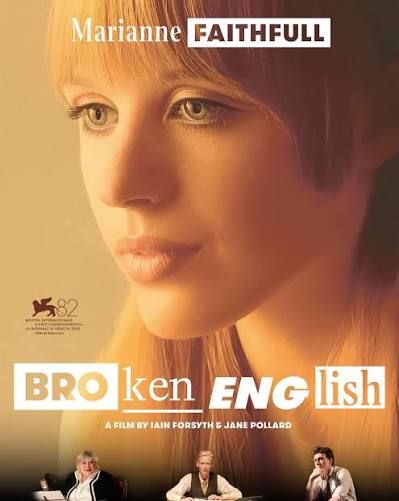
How do you talk about the highs and lows of such an iconic person’s life, like Marianne faithful then round it all up into 96 minutes of cinema that leaves your audience raving about it to every person they see afterwards, well you’ll have to ask directors Iain Forsyth and Jane Pollard, as they managed to execute this documentary film so extremely beautifully.
Marianne was a singer songwriter from the 1960s who broke on to the scene with her single ‘As Tears Go By’ after which, she was catapulted into the public eye straight out of school, and quickly became a household name, as well a political activist and anarchist (perhaps not always realizing it).
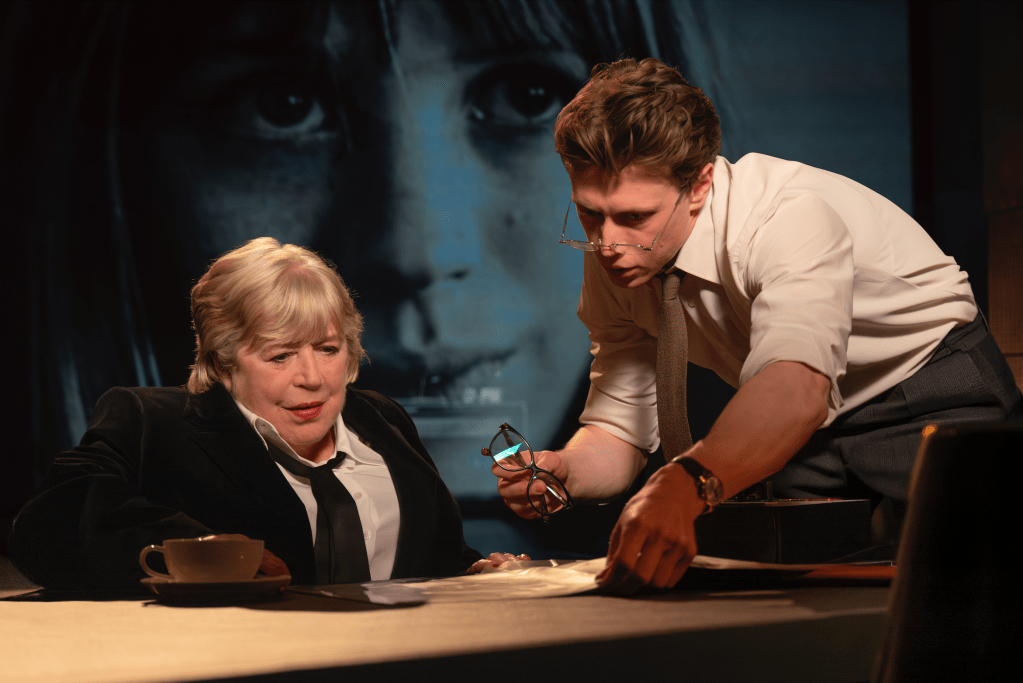
She had an exuberant and charming demeanor that seemed to suck you right in, which is exactly what happened to me while I was watching her talk on screen with actor George MacKay about her life.
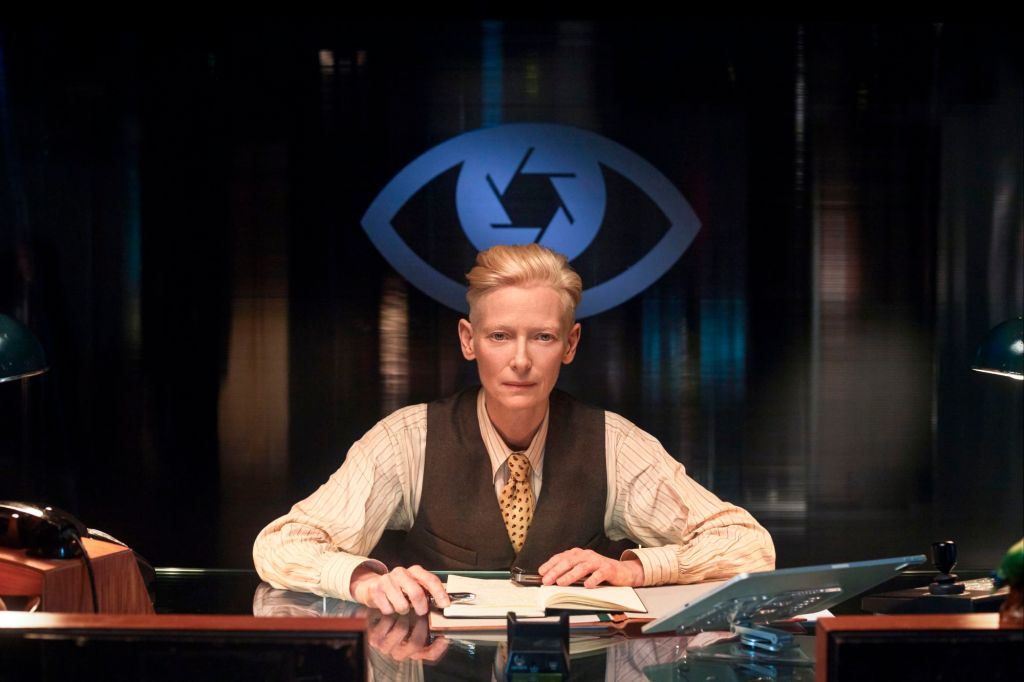
The film was shot in a way that blended reenactments along with imagination and reality. Tilda Swinton acted as a sort of narrator for each moment in Marianne’s life and George was a character at some points then just simply a friend to Marianne at others, especially when talking about the more difficult subjects or scandalous headlines that plagued her life at times.
The ‘Ministry of Not Forgetting’ was the imaginary setting for the interview and really drew you in from the start – part espionage-esc and part MI5, they acted like Marianne’s life was the key to the secrets of ours, and how to break our current day, unwanted bond with AI and algorithms.
Marianne broke the mold and she was going to help us all do the same! I found myself, along with the rest of the packed out theatre for the Scottish Premier, sometimes laughing out loud at Marianne’s little jokes and teases to George, then equally as sad when moments happened between them, like Marianne saying ‘sorry’ to George when he asked her why she didn’t challenge the authorities and media more, after she was paraded on the front page of tabloids and painted to be a promiscuous she devil after they raided Keith Richards house and found her wrapped in a fur rug with the rest of the band in a room.
She said ‘I’m sorry, I know I should have’ the vulnerability in her voice at this moment was breathtaking and directors Iain and Jane really managed to capture this on screen in a way you don’t see often when ‘icons’ such as Marianne are confronted with their past. That was what was so endearing about her though, she had literally never tried to hide her true self, from the media or anyone else, she was authentic and real and made mistakes in front of the world (sometimes to her detriment) but that’s what made her so special.
I do wonder if Iain and Jane had a goal when making this film, to almost reverse or change the publics perception of Marianne, one that had been wholly painted by the media back in the 70s/80s. There was a moment where they flashed through a series of interviews throughout her career, with male talk show hosts and it got me so angry, I could feel my inner feminist rising up and almost screaming out in the theatre at how much of an injustice and unfair journey Marianne had to endure, being asked questions like ‘well how many men have you slept with’ like it was anyone’s business, or targeting her about her relationship with drugs. This reminded me so much of interviews in more recent years with other female celebrities like Lindsay Lohan, also being humiliated and almost intellectually abused on TV for the sake of entertainment, I mean would this happen to their male peers in the same way?
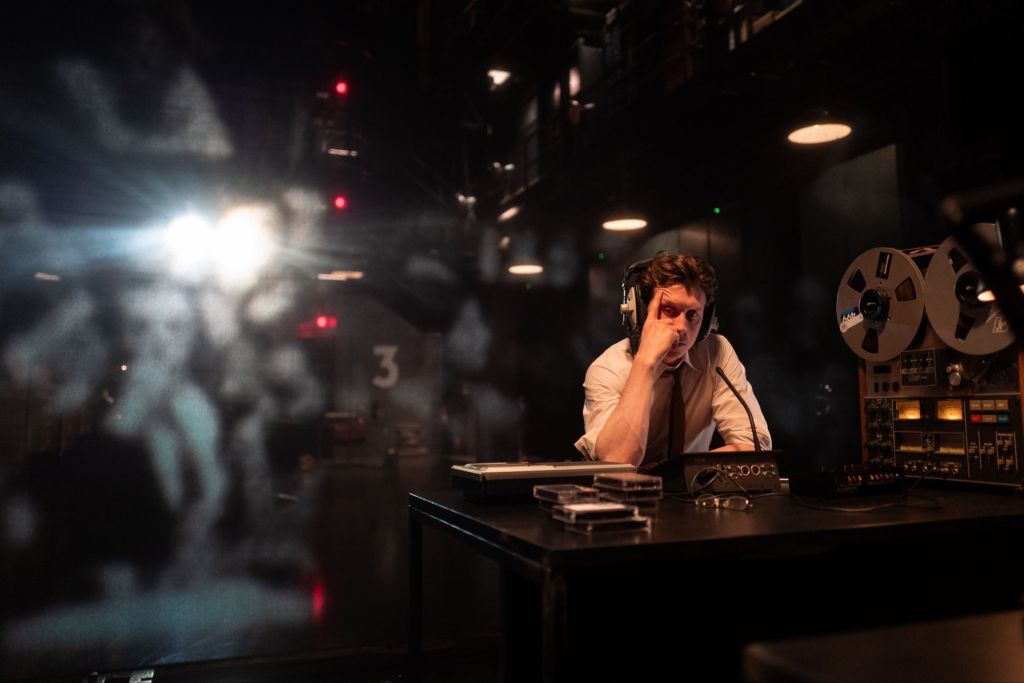
It’s no secret that Marianne struggled with substance and alcohol abuse for which she was extremely honest throughout the film. The clever use of flashback clips from television archives, newspaper clippings, as well as photographs really helped George to bond with Marianne. When asked at the Q&A after the screening, Jane Pollard explained that a lot of the interactions between George and Marianne weren’t necessarily scripted and that they used a different approach to let him sort of delve through different materials live on film, depending on how he thought the conversation was flowing with Marianne, and what he thought he could and couldn’t ask her next based on her reaction or mood. This brought a completely organic and natural feel to the film.
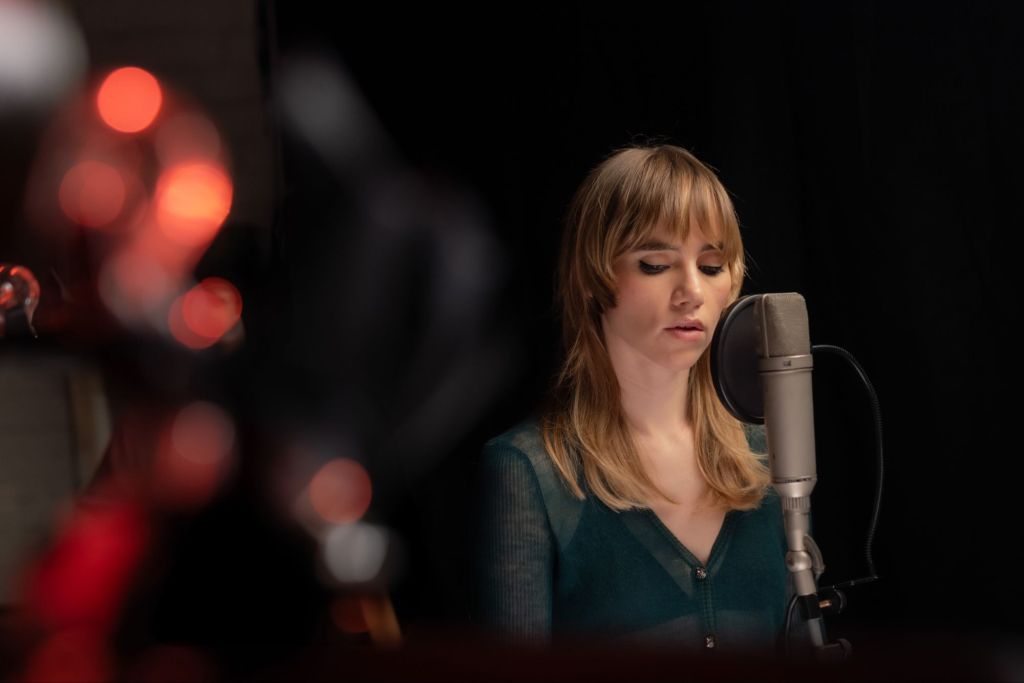
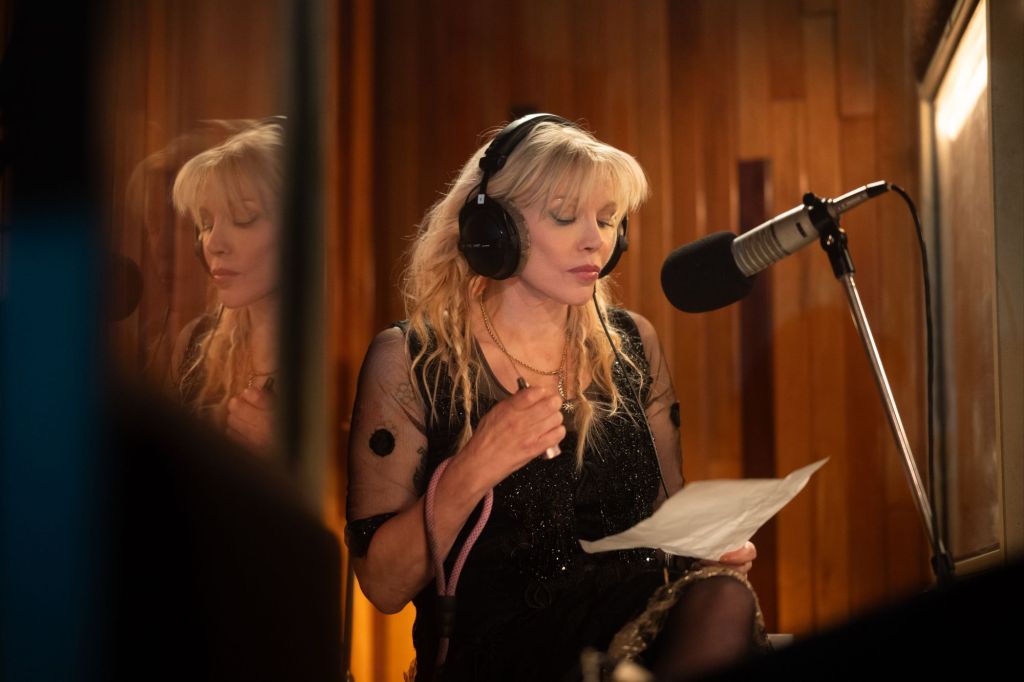
I would love to go on and on, as I really could talk about this wonderful piece of cinema for hours to anyone who was willing to listen, but I don’t want to spoil it, as I think it’s one that needs to be met with an open mind, an open heart and no pre-disposed expectations. I will say though, if you go see Broken English, you will need tissues, I know I definitely did towards the end.
I hope that Marianne, wherever she is now, beyond this world, can see what her legacy is now, and how wonderful a job she did with the cast and crew of Broken English, to show that sometimes a bit of anarchy is what we need, something so relevant and true with today’s society and political injustices. Being female is hard, but being a female who dares to have a voice about politics, sex, drugs or anything seen as less than angelic, well that’s even harder, but ‘f**k em’ as Marianne says.
You can check out Broken English in cinemas across the country and also on certain streaming platforms now, where you will see a whole host of other famous faces appear throughout and be treated to a beautiful soundtrack too.
 Qulture Magazine
Leave a comment