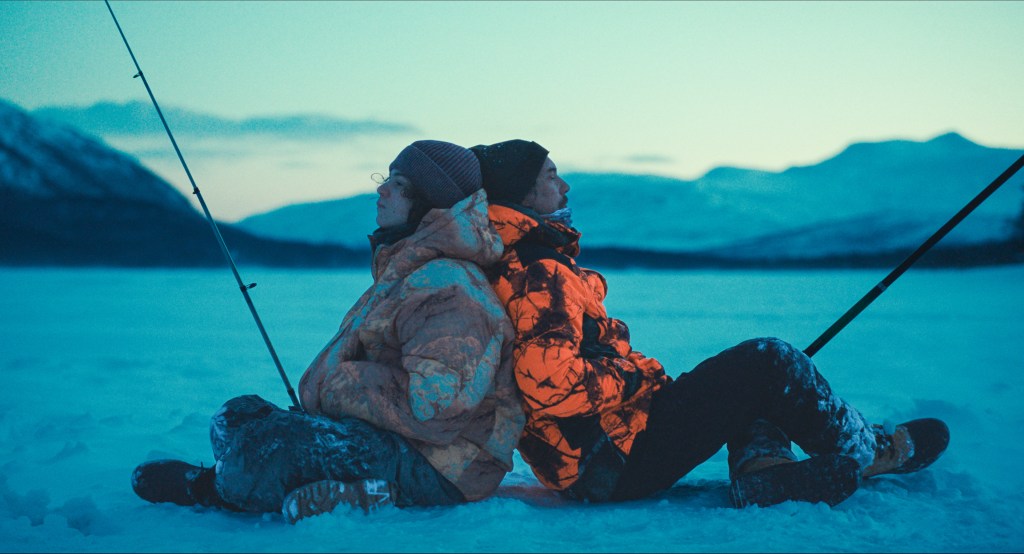
Words: Kenny Ross
My Fathers Island (Sukkwan Island) is one of those films that strides into a festival pretending to be a quiet, reflective father‑and‑son retreat and then slaps you cold with psychological ruin. Directed by Vladimir de Fontenay and adapted from David Vann’s book, the film relocates the book’s Alaskan anguish to the Norwegian fjords — originally a practical production move, but one that ends up feeling almost pre destined because the landscape is so brutally perfect for the story’s emotional violence. The Glasgow Film Festival crowd slipped into that unmistakable hush early, the kind that tells you everyone’s collectively bracing for the emotional temperature to plummet.
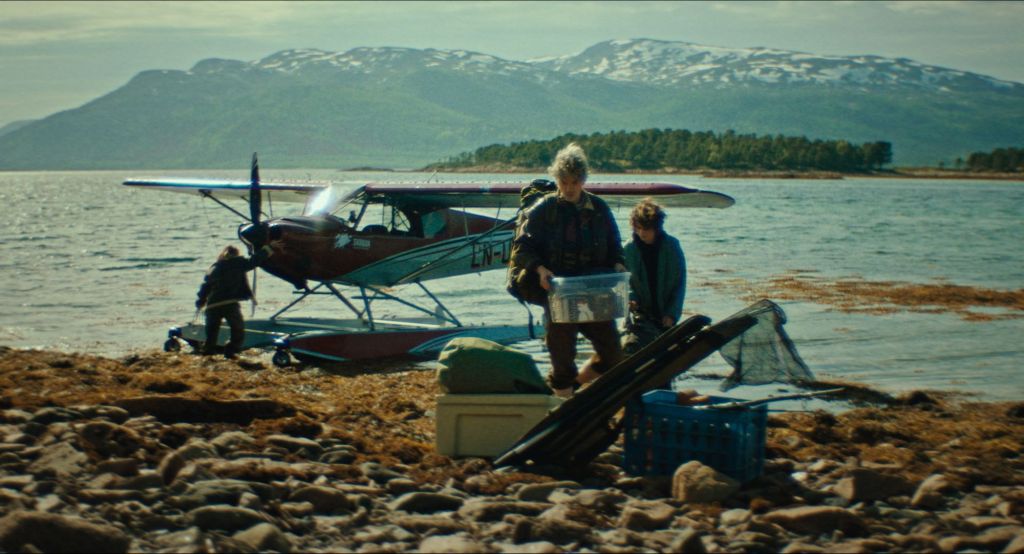
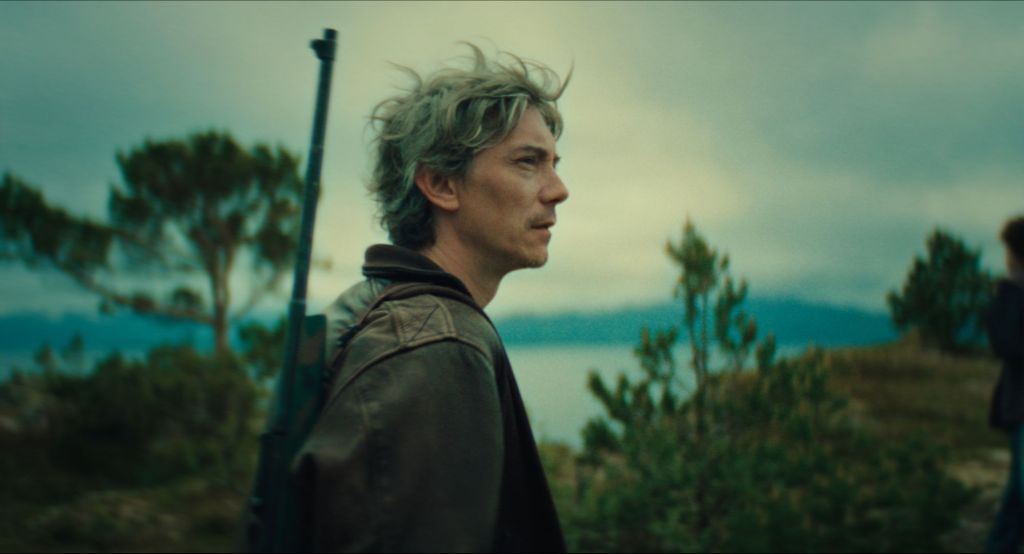
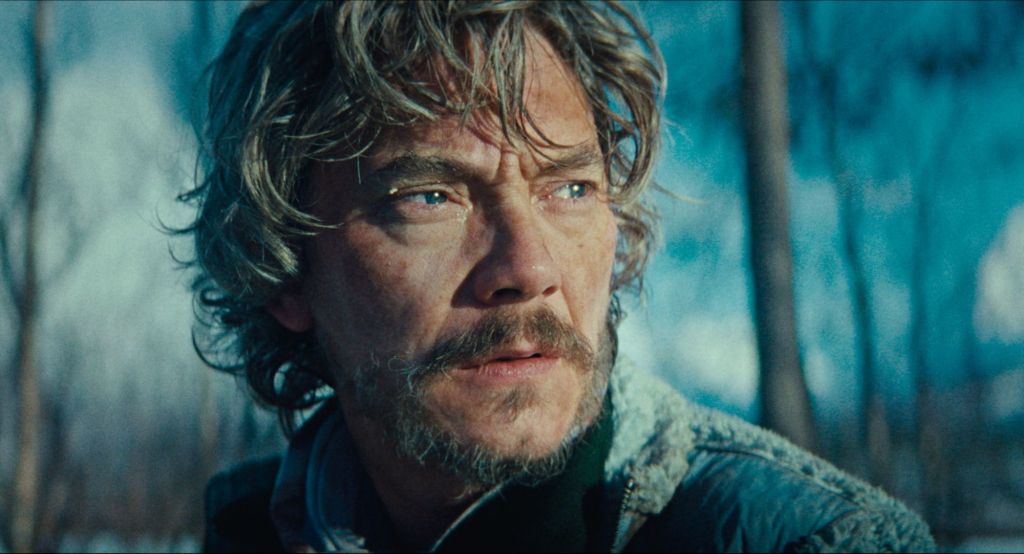
Cinematographer Amine Berrada shoots the wilderness with such stylised naturalism that the mountains, mist and fjords feel like they’re conspiring against the characters. Critics didn’t exaggerate when they called the film immersive…it’s the sort of immersion where you feel like you’re inhaling someone else’s dread. Swann Arlaud’s Tom is a man vibrating with unspoken fractures, the kind of guy who would call a catastrophe “a bonding opportunity.” Woody Norman plays Roy with brittle intuition — a kid quietly realising he might be safer trusting the elements than trusting his dad. Reviewers have been praising these performances since Sundance and, on a big screen, it’s obvious why: the pair act with a precision that feels both intimate and dangerous. And then the story folds back on itself — because before we even reach the island with young Roy, the film opens on a different Roy entirely, older and driving through a winter landscape that looks like emotional purgatory with road markings. Ruaridh Mollica plays this future Roy with a haunted determination, and when helicopter pilot Anna (Alma Pöysti) drops him onto My Fathers Island like she’s delivering trauma to its rightful address, you feel the film shift under your feet. When the cabin is revealed as the site of something catastrophic, the narrative snaps back to Roy as a teenager — Norman stepping into the role with a vulnerability that never feels performative.
From there, the “adventure” begins: Roy, living with his mum Elizabeth (Tuppence Middleton), is whisked away by Tom, who proposes a year‑long wilderness bonding trip with the enthusiasm of a man who has completely misread his own mental state. It initially looks idyllic — fish to catch, cabin life, crisp autumn air…looked like bliss at the start — but the illusion dies the second they discover the cabin has been torn apart, apparently by a bear, leaving them isolated and increasingly mentally off‑balance (least they still had some booze). With no working radio and winter closing in, the psychological walls begin to shrink around them. Every conversation feels like a test they’re both losing.
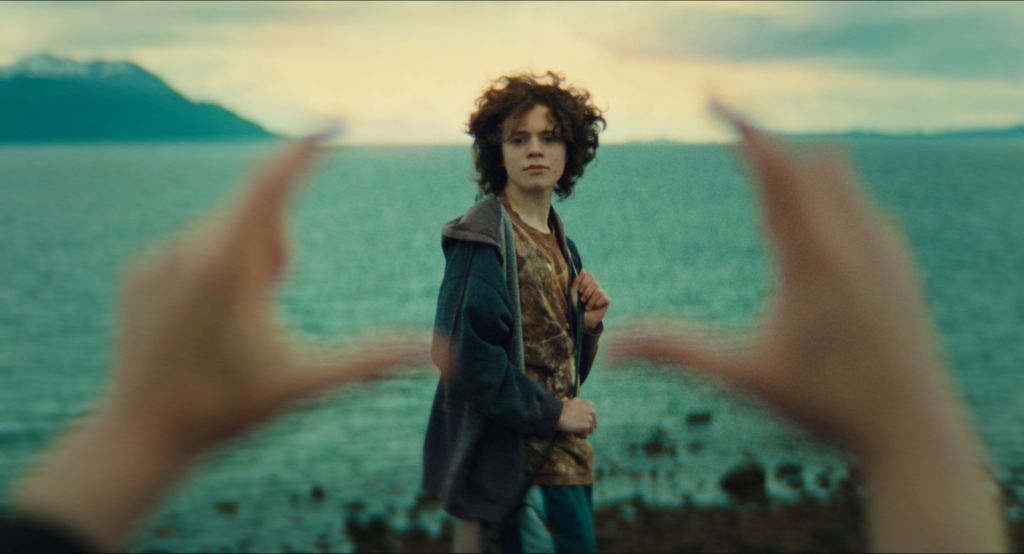
The tension grows unevenly — deliberately so — mirroring Tom’s spiralling unpredictability and Roy’s rising dread. Some critics have grumbled about the story’s pacing and the leap it makes in its late act, but the unevenness is exactly what makes it feel dangerous. And then the film drops its hammer. The story preserves the book’s most devastating turn: Roy’s suicide, delivered without melodrama, without warning, just the quiet collapse of a boy who’s run out of emotional exits. From other reviews, folk have described it as a “fatal final twist” or a structural shock designed to pull the breath out of you. In Glasgow, the scene landed in a silence so total it felt like the entire cinema forgot how to breathe (and I am asthmatic). Tom burying his son — frantic, ruined, alone — is a sequence so bleek it feels carved from myth. And knowing from the Q&A that the ground was literally too frozen to dig and De Fontenay had to bring in actual grave diggers with specialised machinery only deepens the horror.
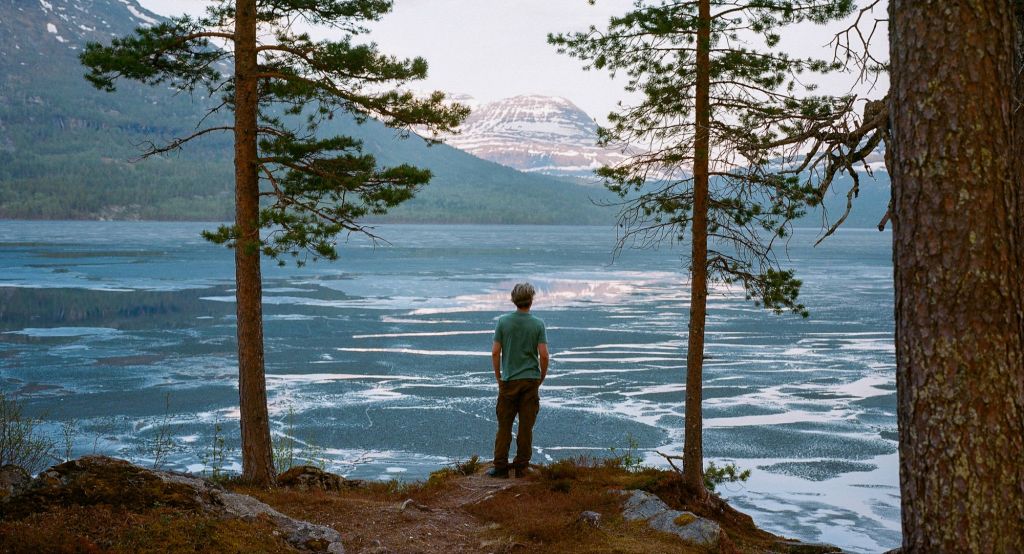
There’s a persistent misconception that this is all drawn straight from David Vann’s real life. It isn’t. What actually happened is that Vann’s father died by suicide when Vann was thirteen — a wound the author later confronted through fiction, not memoir. Critics describe the book as hard to categorise….a hybrid of vivd memory, invention, emotional re‑imagining, and psychological excavaton. The wilderness trip never happened. Roy never existed. The entire narrative is a constructed scenario designed to embrace the grief Vann couldn’t process in reality. The film honours that imagined space faithfully, embracing the emotional truth while refusing to pose as a biography.
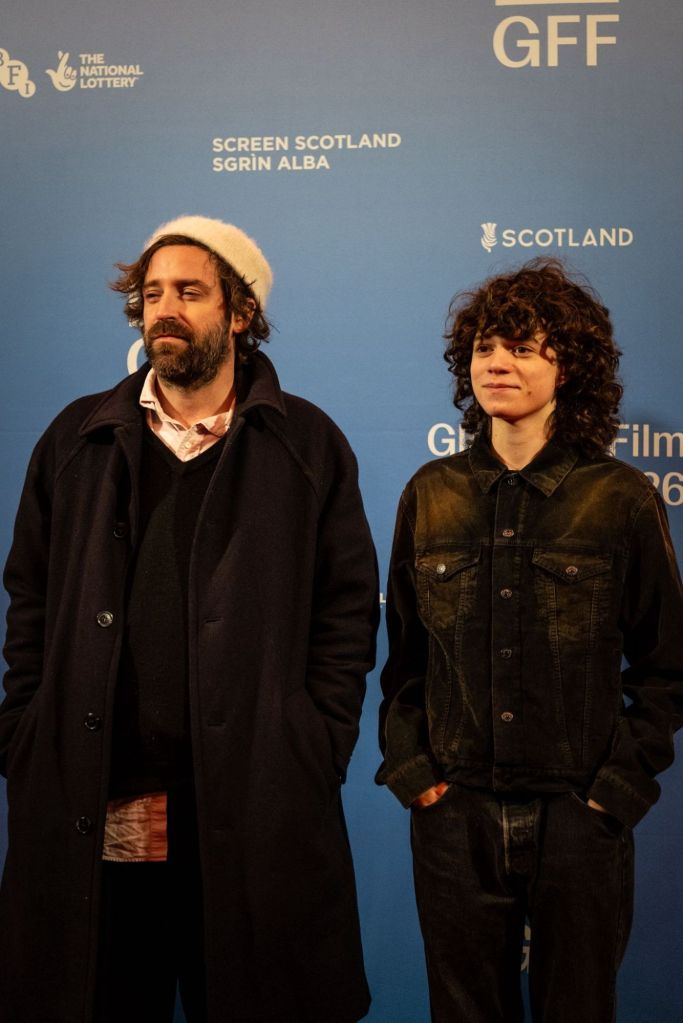
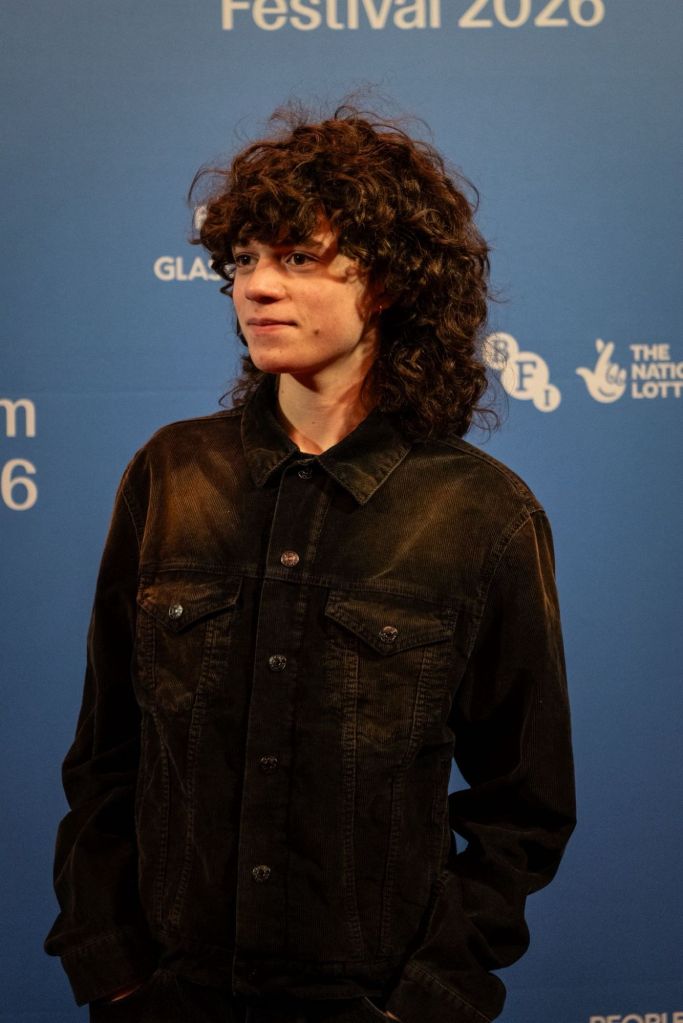
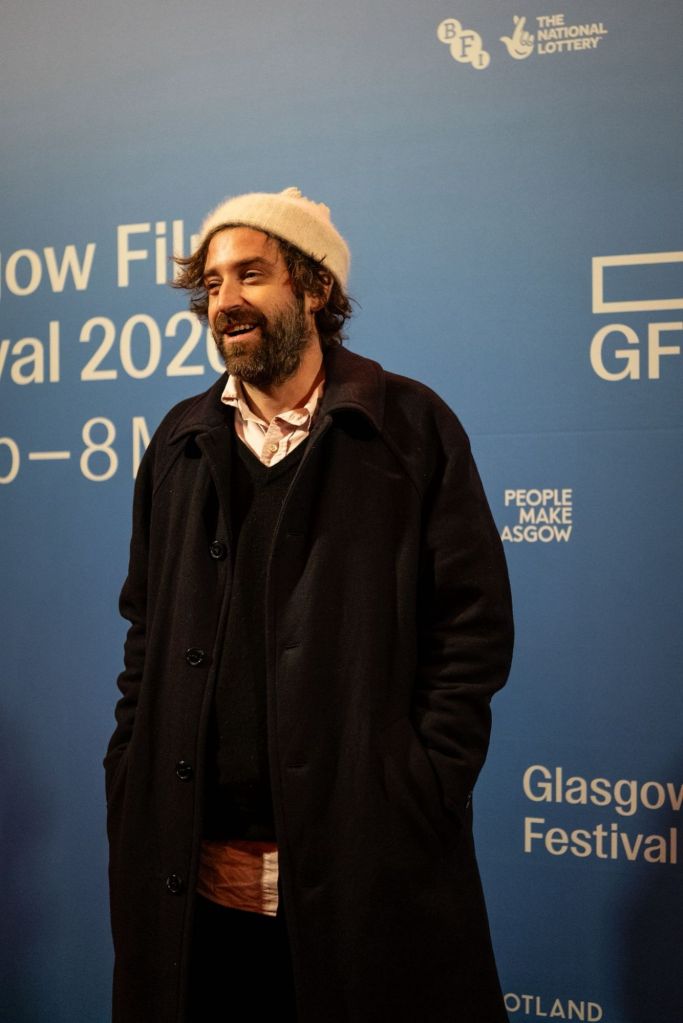
The Q&A, meanwhile, was its own cinematic spectacle. De Fontenay revealed the film took six years (or, as he laughed, “more like eight”) to make, with scenes shot backwards across Norway and Glasgow. He recounted how the burial scene nearly didn’t happen because the ground was too frozen, and how the solution — summoning grave diggers with industrial machinery — was apparently more sensible than rewriting the script. Then came the infamous crow story… stay with me here…when he requested crows, he was told there are none in that part of Norway and was offered the solution of dressing chickens as crows. YES CHICKENS IN CROW OUTFITS. Vlad, quite reasonably, declined the cosplay suggestion. (Might have been an added twist…who knows).
In the end, the reason My Fathers Island hits so hard is because it carries two truths at once: the factual truth of the grief that inspired it, and the imagined truth of the story Vann created to confront that grief in a form the real world never allowed. The film doesn’t aim for perfection; it aims for devastation. And it succeeds. It’s uneven, jagged, and emotionally frostbitten, but that’s the point. Watching it feels like surviving something And knowing what went on behind the camera — the frozen earth, the backward shooting, the missing crows, the chickens waiting in the wings (get it… chickens have… ahh forget it)— only makes the film’s cold, brutal clarity feel even sharper. When a film leaves you feeling like you’ve just survived frostbite, family trauma, and a poultry‑based production crisis, you know it’s doing something right — or at least something unforgettable.
Let me put it plainly: this one earns the full 5 out of 5 stars. (something I don’t give out easily)
 Qulture Magazine
Leave a comment