Words: Clíona McCann
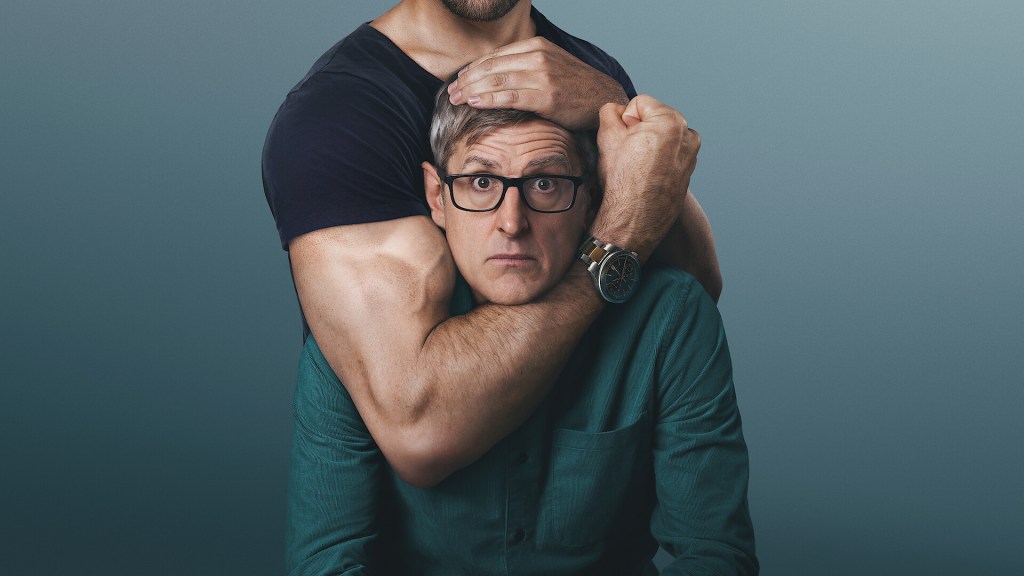
Louis Theroux’s Inside the Manosphere set out to investigate and expose the male influencers who make up the ‘manosphere’, a wide group who claim to help their viewers become ‘real men’ by way of misogyny, hatred, and exploitation. Released on Netflix last month, the much-anticipated documentary has polarised public opinion. Some viewers commended Theroux for bringing this issue to the public’s attention, while others felt he didn’t go far enough.
If we assess it, on its own terms; yes, Inside the Manosphere achieved what it aimed to do. It put the toxic beliefs of male ‘self-improvement’ influencers on full display for the widest audience yet. Theroux’s much-discussed subtle interviewing style has worked its magic once again. When questioned by Theroux, these men openly humiliate themselves for our viewing pleasure.
So why were so many left wanting more from Inside the Manosphere?
These men make a fool of themselves on social media every single day. A lot of viewers felt the documentary offered nothing new to the Manosphere conversation. While Inside the Manosphere is an excellent introduction to the concept of online radicalisation for the older generation, younger viewers have been acquainted with it since YouTube was installed on their first family iPad. I believe what is lost in translation in, Inside the Manosphere, is the impact that influencers such as Harrison Sullivan and Andrew Tate are having on younger generations of men and boys.
Theroux’s deadpan delivery and blunt questions often lead to moments of comedy, amplified by bold, sensationalist editing choices. The film encourages us to see these influencers as ridiculous, uninformed con artists to be laughed at. The more ridiculous they seem, the less we take their real-world influence seriously. Yes, they are idiots, but they are idiots with a rapidly growing global audience.
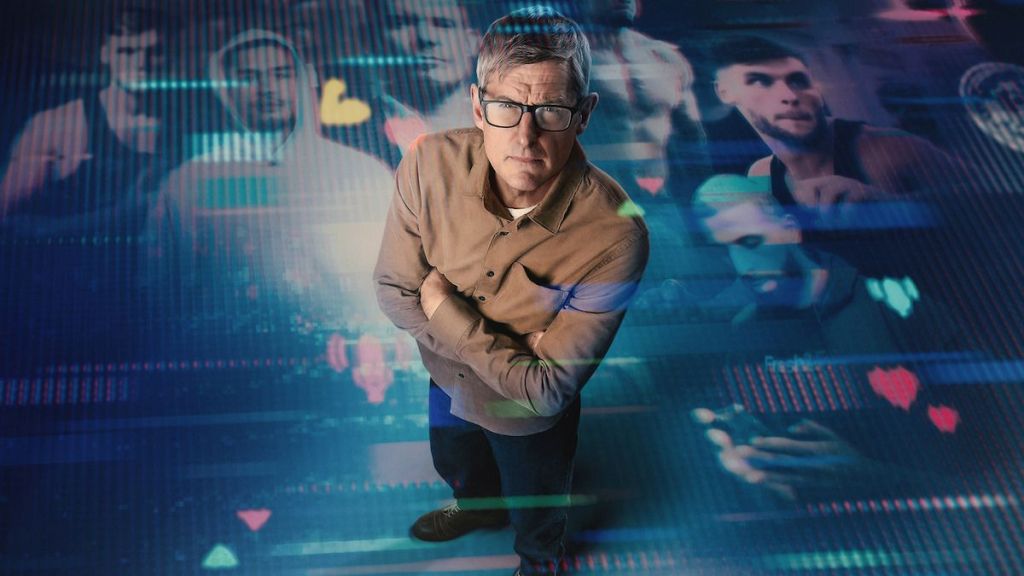
Theroux seems to be willing to utilise the dangerous radicalisation of young boys, as an attention-grabbing hook, but fails to investigate this crucial aspect of the manosphere any further. Not even five minutes into the documentary, we are confronted with clips of preteen boys jumping excitedly around Harrison Sullivan, excitedly exclaiming ‘f**k women’ and ‘All gays should die’. Edited with glitchy, pixellated overlays and underscored by high-octane techno music, we get the sense this is a crazy community hidden away in some obscure corner of the internet. This clip is never referenced again.
The documentary acts as a character study of these men, delving into their familial relationships, marriages and lives when not performing for their fans on livestreams. However, I feel this phenomenon is too concerning to be creating films investigating the manosphere’s most prominent personalities, without paying equal attention to the real people whose lives are being affected by them. This film would feel more justified to many if followed with a part two focusing on the impact of these influencers on culture and the public.
Although its focus may have been misplaced, this does not mean that Inside the Manosphere is devoid of value. The most powerful part of the film was when the focus shifted to those who suffer the immediate collateral damage of these men’s antics; their wives and die-hard fans.
A young man Theroux interviewed, Mattie, had confessed to experiencing homelessness after moving to Miami in pursuit of an ‘alpha male’ lifestyle, promoted by his favourite male influencer. He casually described how he doesn’t believe in depression, yet moments later revealed how his own brother sadly took his own life. This short yet heartbreaking moment is what has stuck with me the most. Visceral and raw, he unknowingly captures a belief at the centre of the manosphere us outsiders are not often privy to: ‘As men, we’re meant to suffer. We’re not meant to be happy.’
 Qulture Magazine
Leave a comment