Words: Kenny Ross
There is something wonderfully fitting about a film festival finding its home in Leith. A place built on stories, characters and a healthy disregard for doing things the conventional way, feels like the perfect setting for an event dedicated to emerging filmmakers finding their voice…
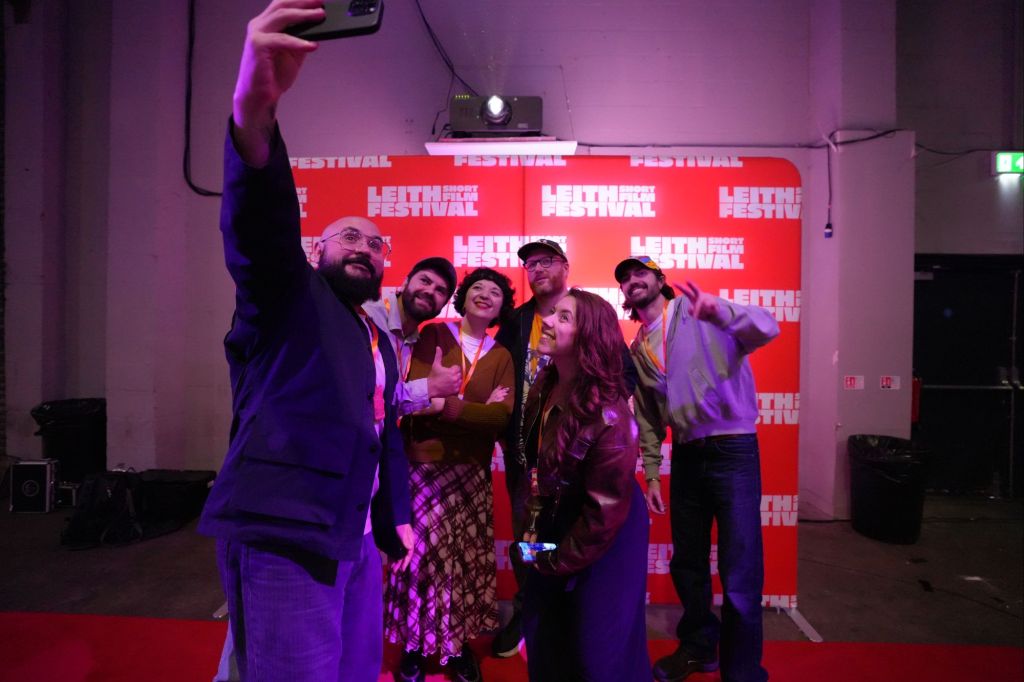
Held at The Pitt in Edinburgh , Leith Short Film Festival brought together 26 short films from around the world alongside panel discussions, Q&A sessions, networking opportunities and an awards ceremony. What could easily have become an exercise in industry back-patting instead felt accessible, welcoming and refreshingly community minded.
The beauty of any short film festival lies in its unpredictability. Unlike a feature screening where audiences commit to a single vision for a couple of hours (I have been known to get bored during long films), short films offer a constant shift in tone, style and perspective. Throughout the programme there was an impressive variety on display, with filmmakers tackling subjects ranging from deeply personal human experiences to more experimental and abstract storytelling. Some films landed heavier emotional blows than many full-length features manage, while others showcased the kind of genuine persistence that emerges when talent is forced to work within limited resources.
What stood out most was the sheer creativity on display. Independent filmmaking often demands problem solving as much as artistic vision (in my opinion), and the selected filmmakers consistently demonstrated both. Strong performances, inventive cinematography and confident storytelling highlighted just how much emerging talent exists beyond mainstream cinema.
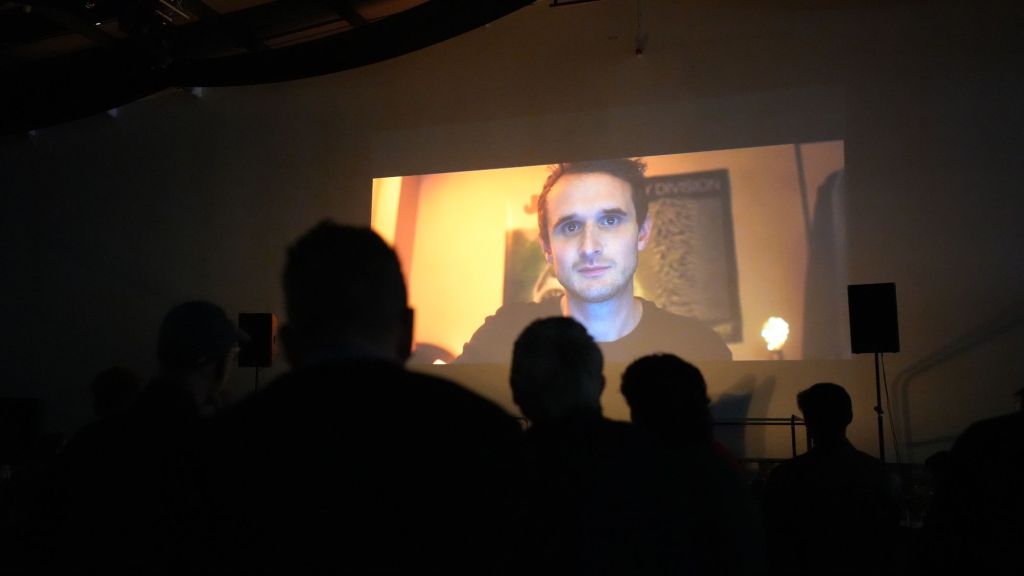
Having been out at another event the previous evening, an early start was never really on the cards (no, not a boozy night), meaning we unfortunately missed the first industry panel of the day. Arriving around 2.30pm, however, it gave us the chance to catch up with festival founders Lauryn McCorkell and Nick Grant, whose enthusiasm for the event was immediately obvious. More than simply organisers, both came across as genuine supporters of independent filmmaking, keen to create the sort of opportunities and networking environment that have been untapped in the past.
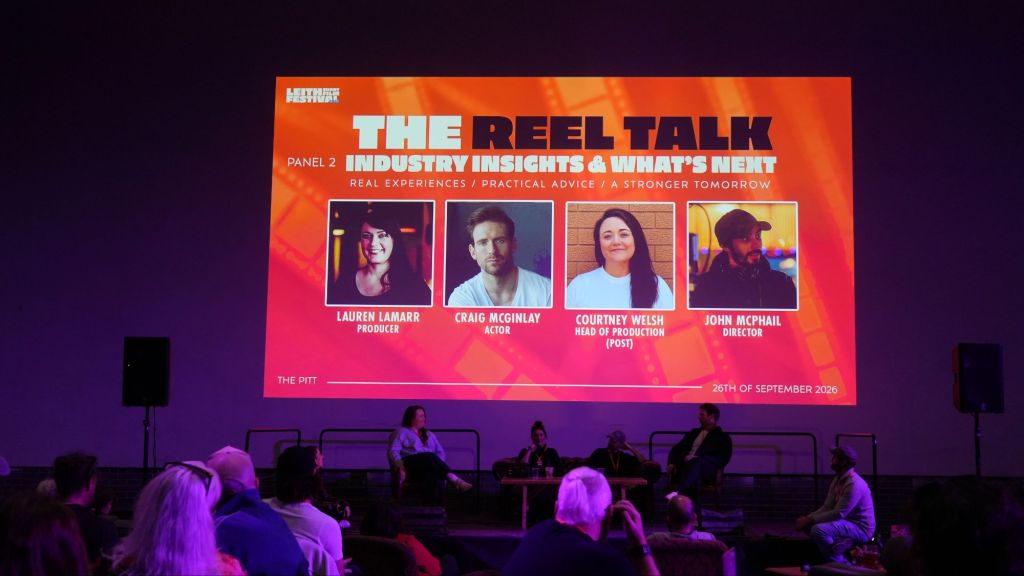
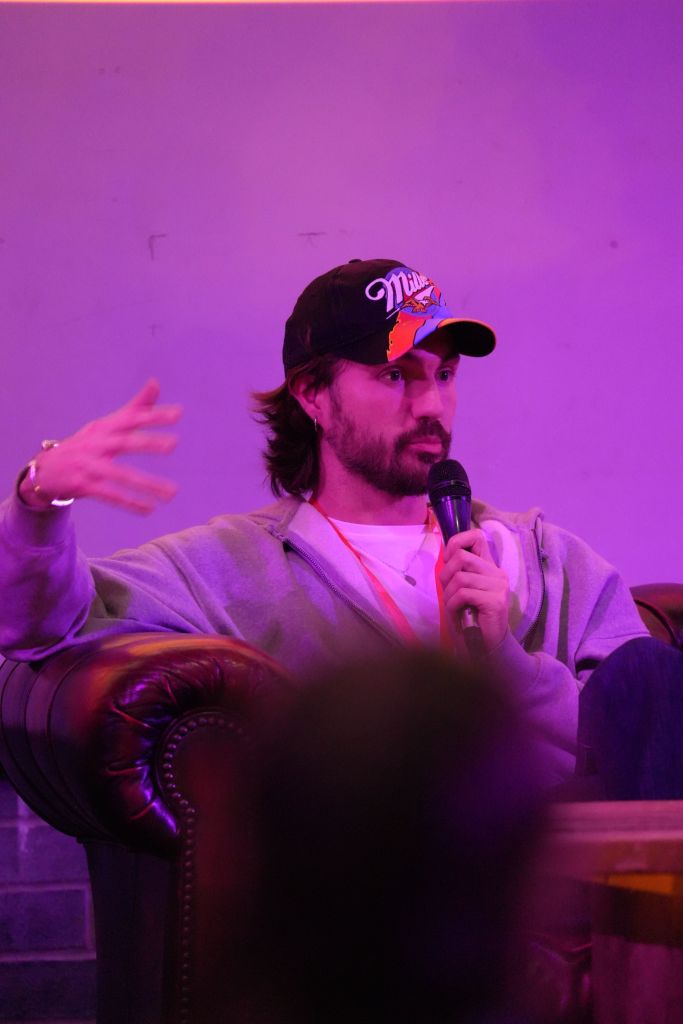
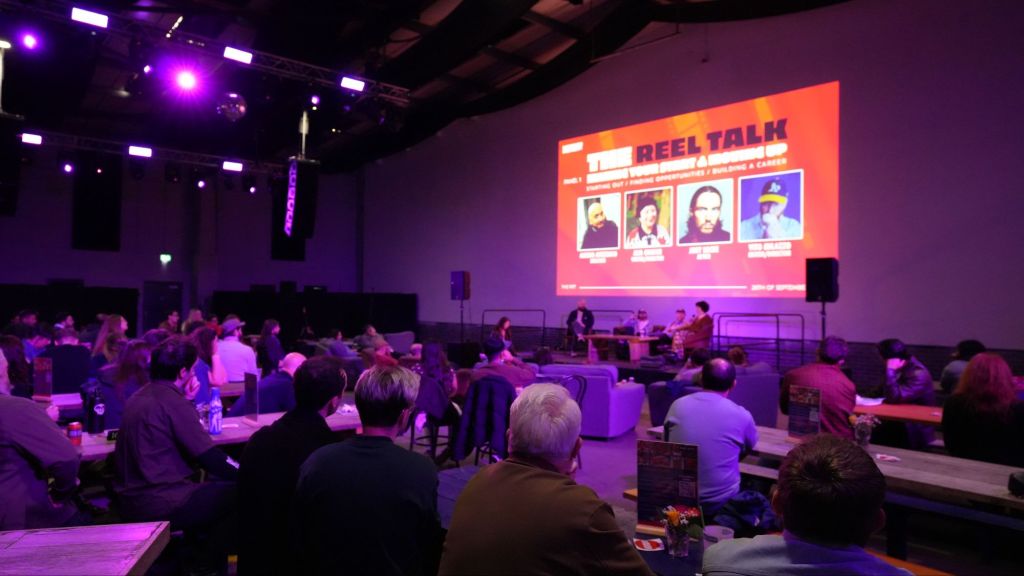
We arrived in time for the second panel discussion, featuring Lauren Lamarr, Craig McGinley, Mairi Macdonald and John McPhail, and it proved to be one of the most engaging parts of the afternoon. Rather than talking in sound bites, the panel openly discussed their routes into the industry, the challenges they had faced and the realities of trying to build a career in film and television. Audience members were encouraged to ask questions, leading to honest and often entertaining discussions about breaking into the business.
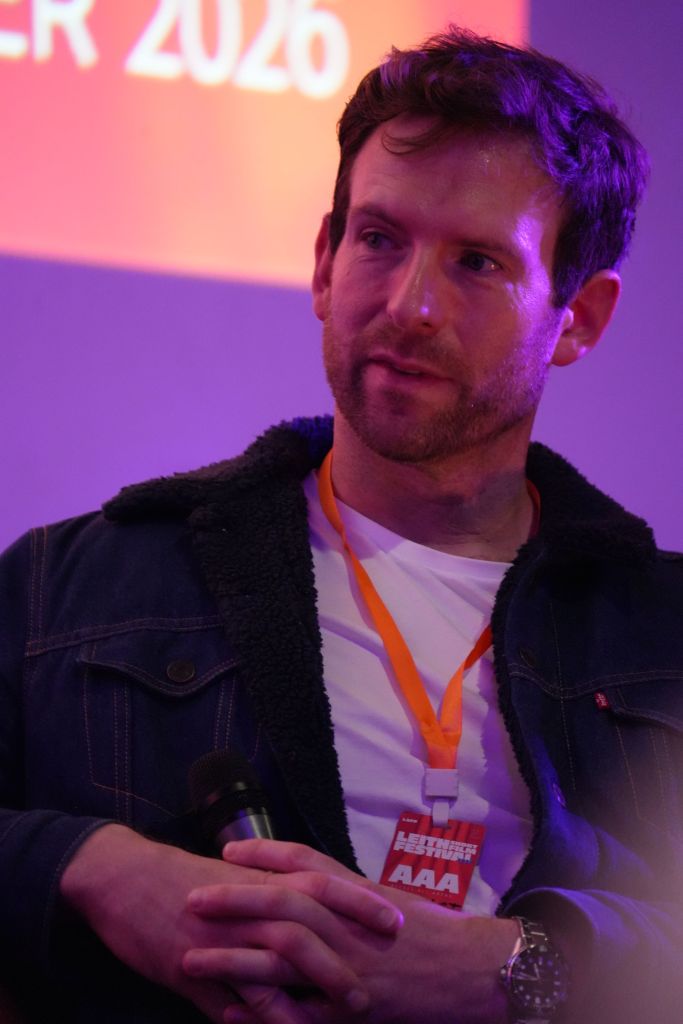
Particularly interesting was Craig’s story. Originally a rugby player, an injury forced a change in direction, leading him into sports science and coaching before opportunities in modelling emerged. Campaigns for major brands including Nike followed, opening the door to tv adverts, including an appearance in Guy Ritchie’s Haig Club ad. From there, McGinley gradually transitioned into acting, eventually finding himself appearing in productions such as Arthur. It was exactly the sort of real-world career journey that aspiring creatives in the audience could relate to, demonstrating that there is rarely a straightforward route into the industry.
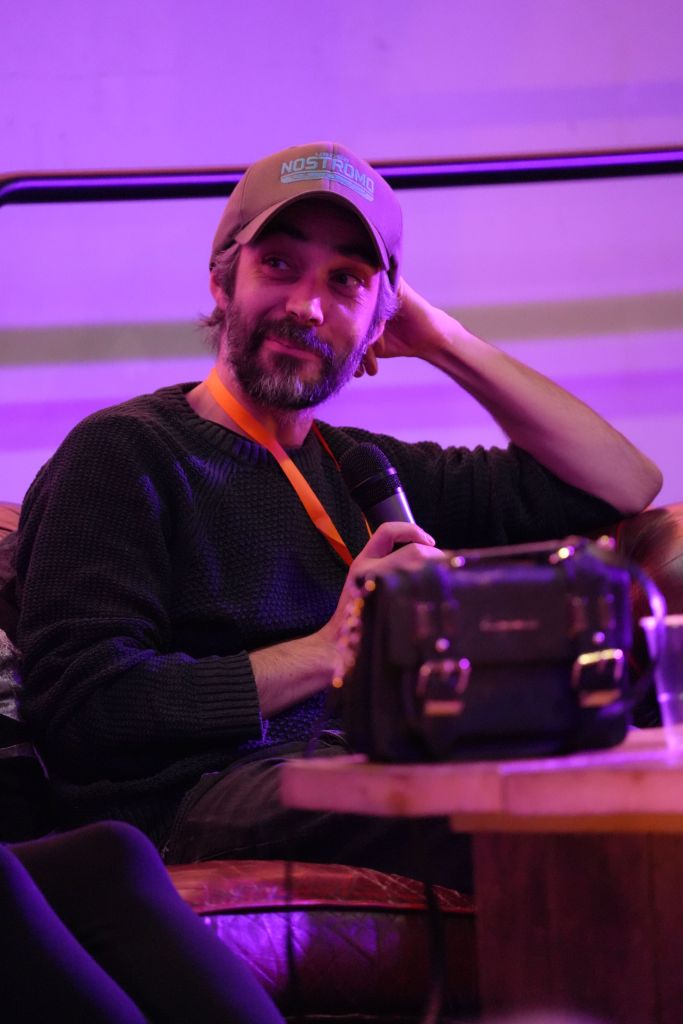
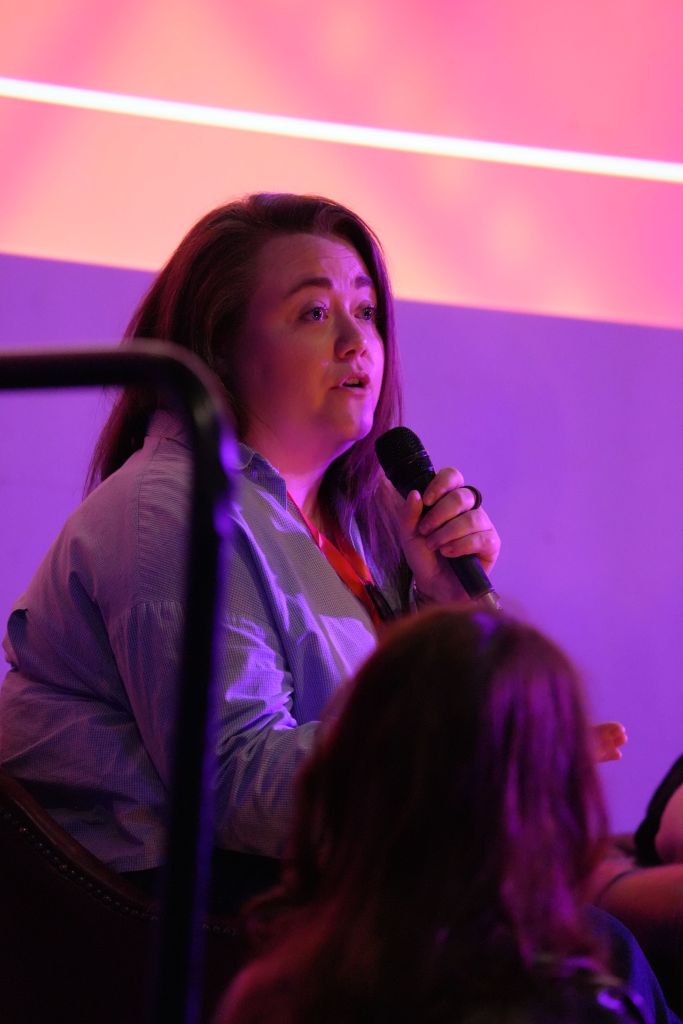
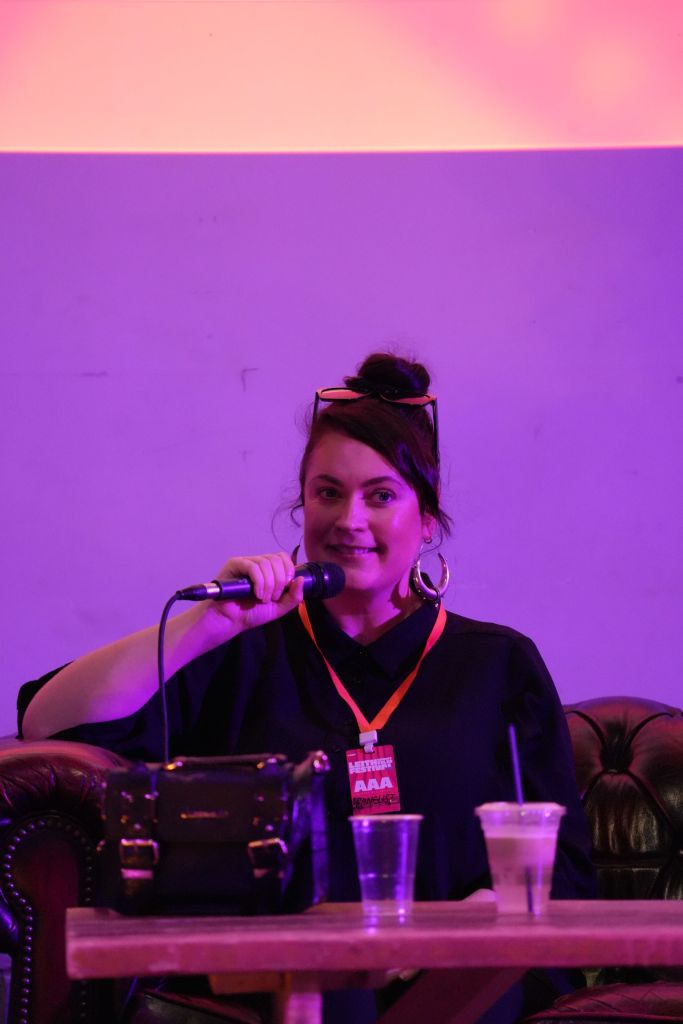
The discussion as a whole felt refreshingly honest, with the panellists speaking candidly about setbacks, perseverance and the importance of being prepared when opportunities arise. Questions from the audience focused on everything from getting that first break to surviving the inevitable knockbacks that come with a creative career. Rather than glamourising the business, the panel painted a realistic picture of an industry that demands resilience, adaptability and no small amount of patience. It perfectly reflected the festival’s wider ethos of supporting emerging talent through practical advice rather than industry mythology.
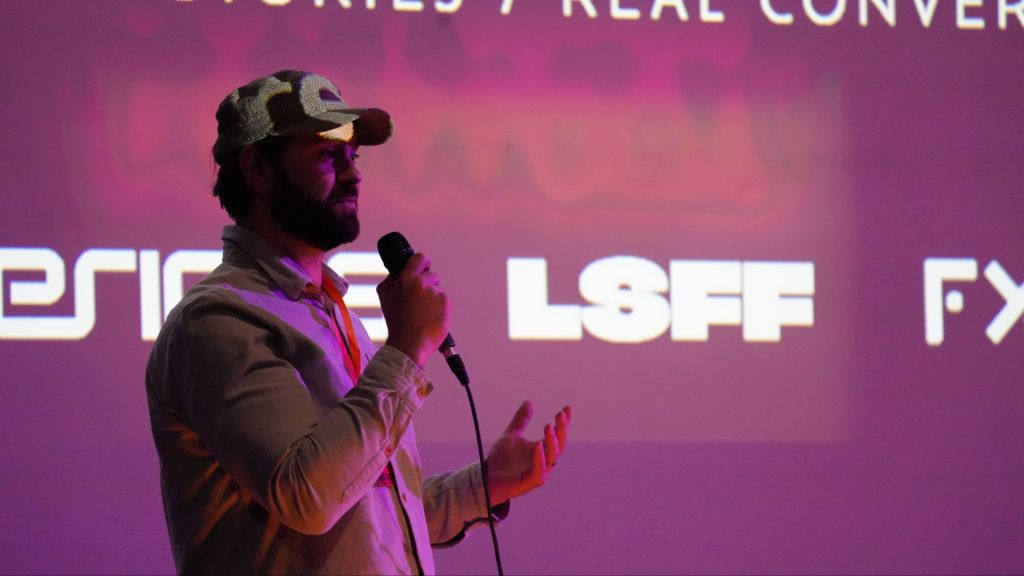
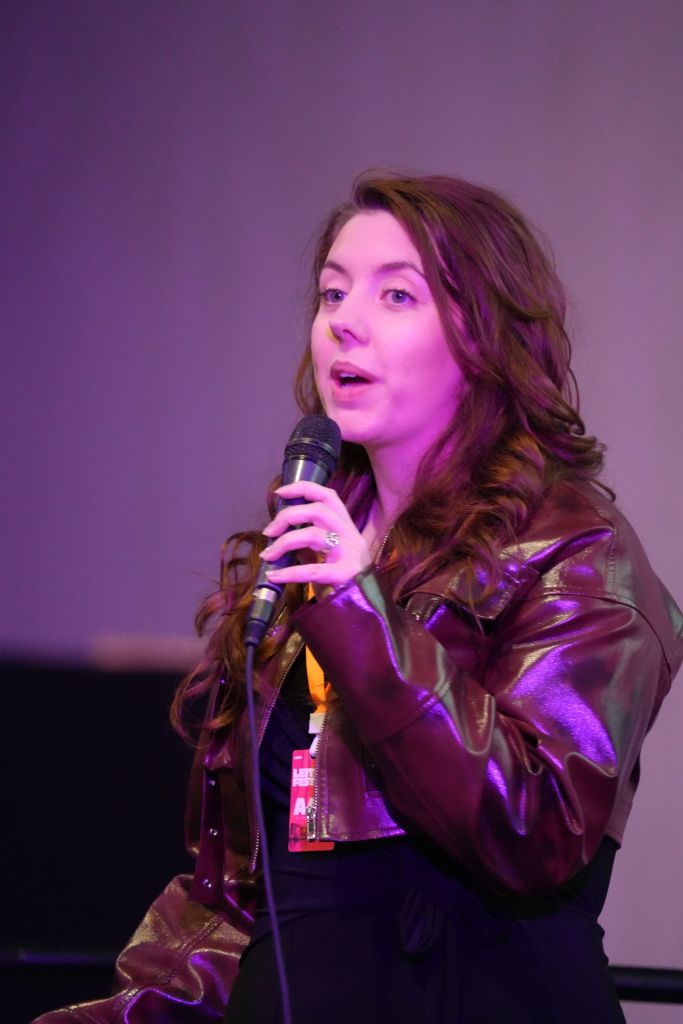
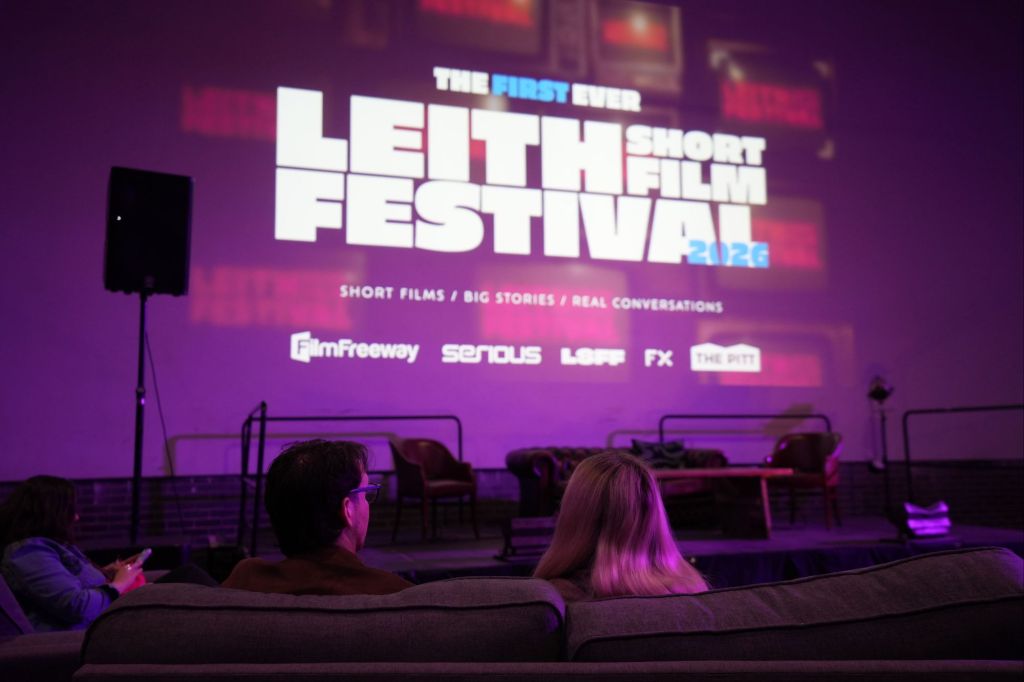
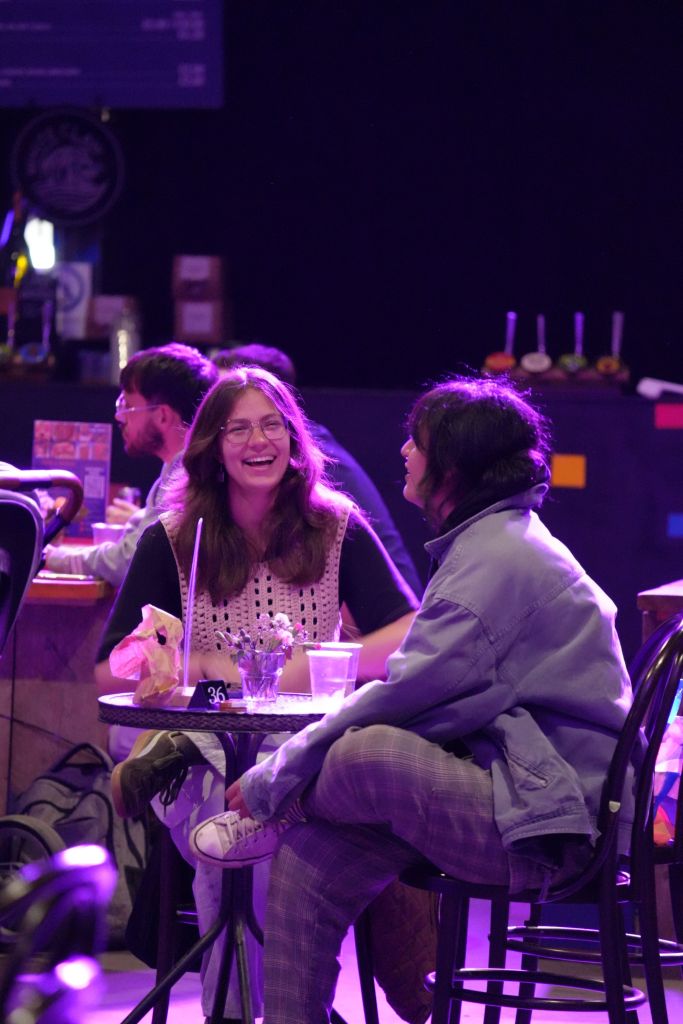
Perhaps the event’s greatest success was its atmosphere. Film festivals can sometimes feel intimidating to newcomers, but Leith Short Film Festival managed to avoid that trap. Whether you were a filmmaker, a student, an industry veteran or simply a lover of cinema, there was a sense that everyone belonged in the room. Conversations flowed easily between screenings, connections were made, and there was enthusiasm for supporting new voices!
Another success was the Swedish kebab pizza I had, simply delicious, anyways, back to the event…
One of the standout films of the day for me was Albert, which deservedly picked up the award for Best Cinematography. Set against the rugged coastline of 17th-century Guernsey, it tells the story of Sarre (I think that’s the correct spelling), a solitary man burdened by possession of the cursed book. No matter what he tries, burying it, destroying it or simply getting rid of it, the book always seems to find its way back, bringing consequences with it!
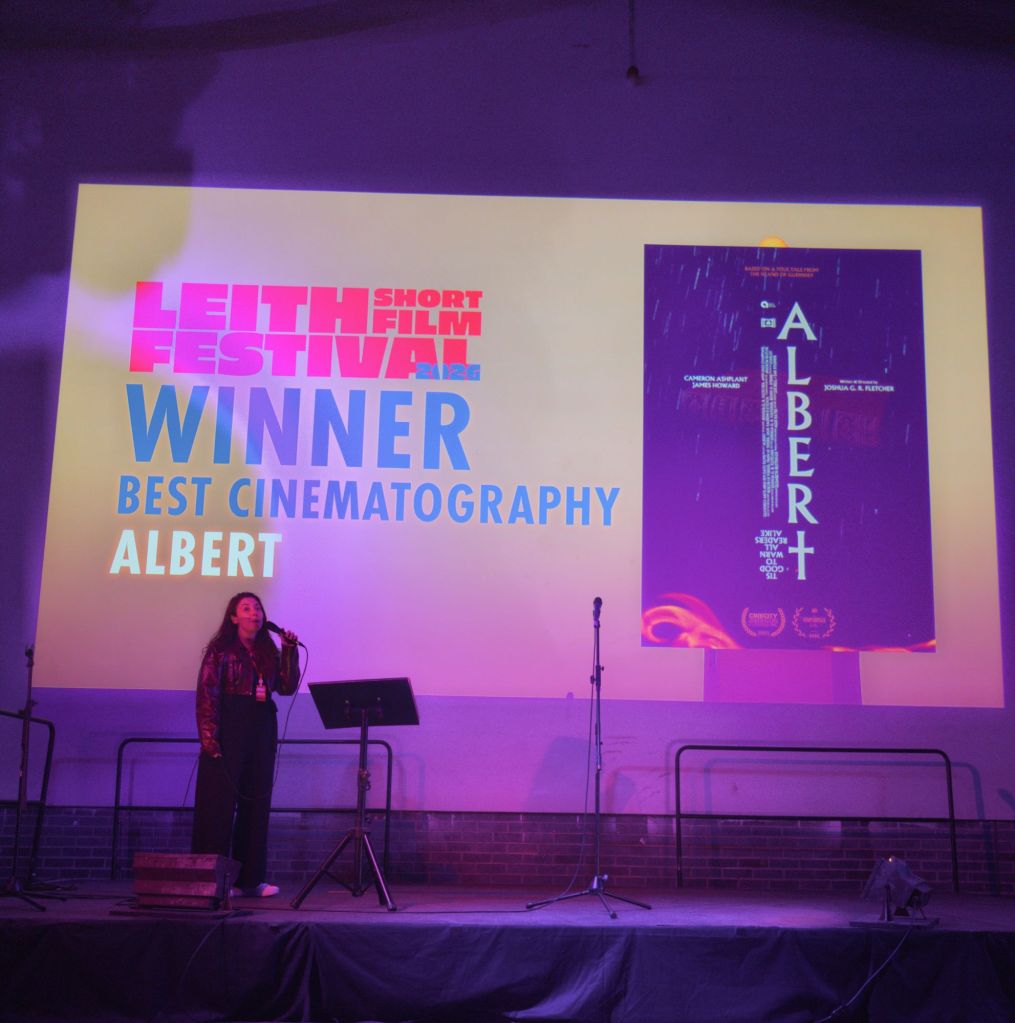
What really stood out in Albert for me, was its atmosphere. The windswept cliffs, isolated beaches and harsh coastal landscapes became characters in their own right, creating a sense of dread that lingered throughout. The film trusted its visuals to tell the story, drawing viewers into a world of superstition and the uneasy battle between religion and witchcraft Beautifully shot and dripping with tension, it was one of those films that stayed in the mind long after the credits rolled…outstanding cinematography!
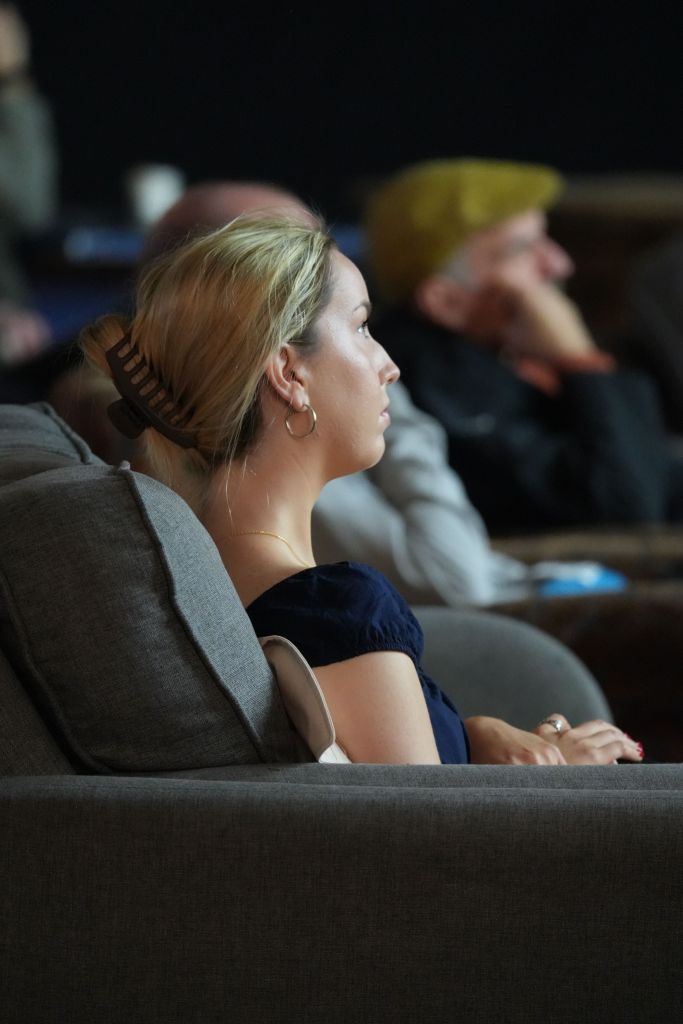
However, credit must go to Lauryn McCorkell and Nick Grant, whose vision for the festival extends beyond simply screening films. Their focus on creating opportunities, encouraging collaboration and building confidence within the filmmaking community was evident throughout the day.
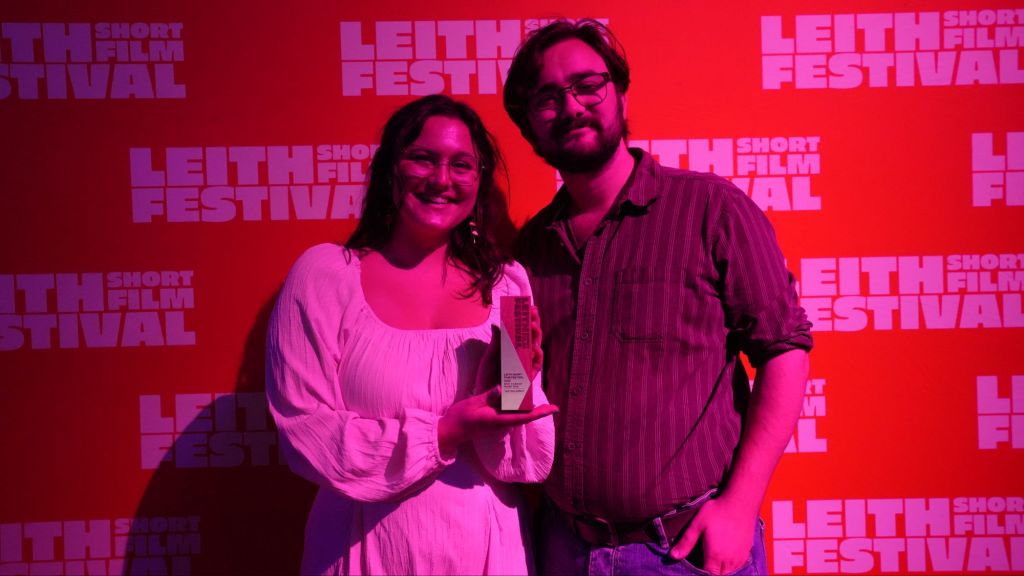
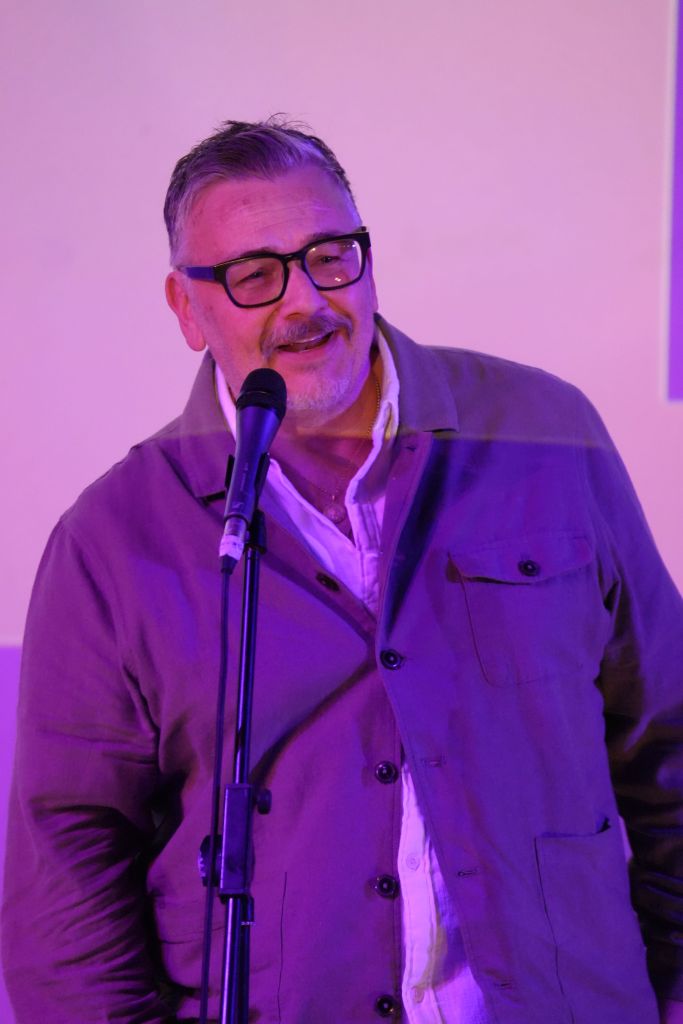
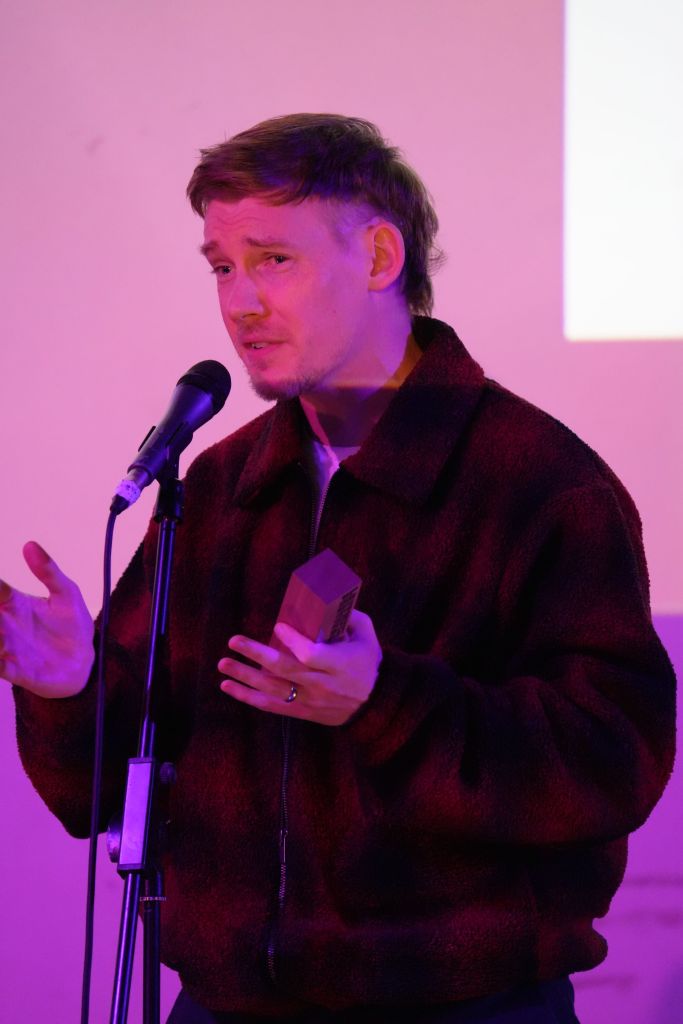
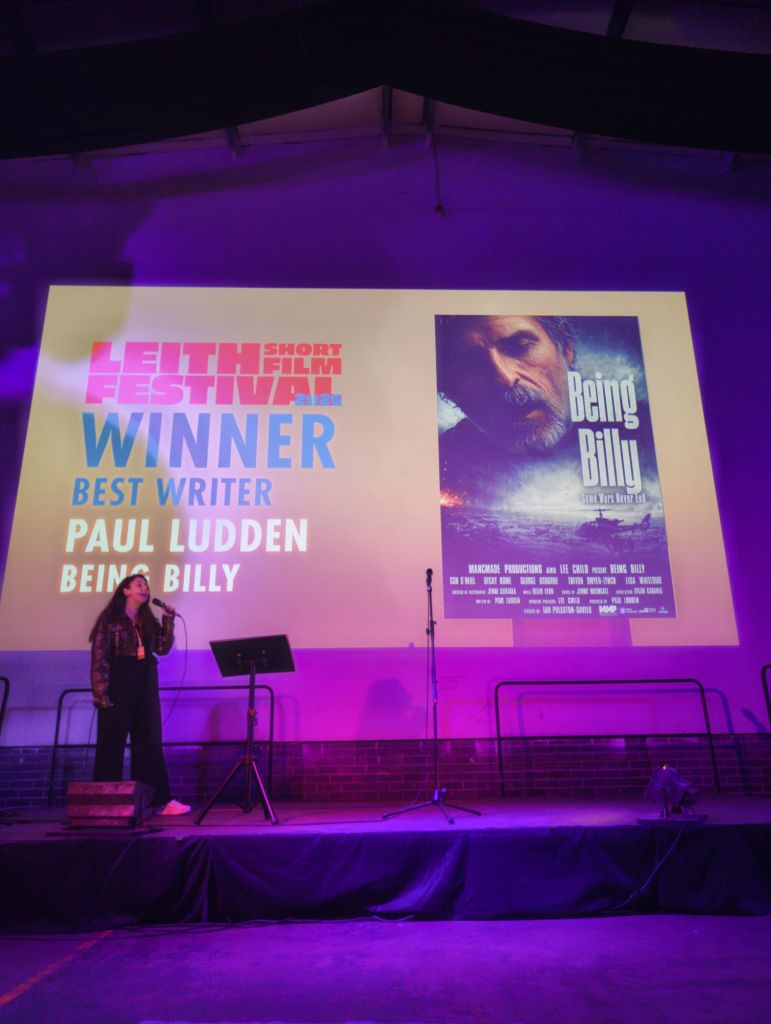
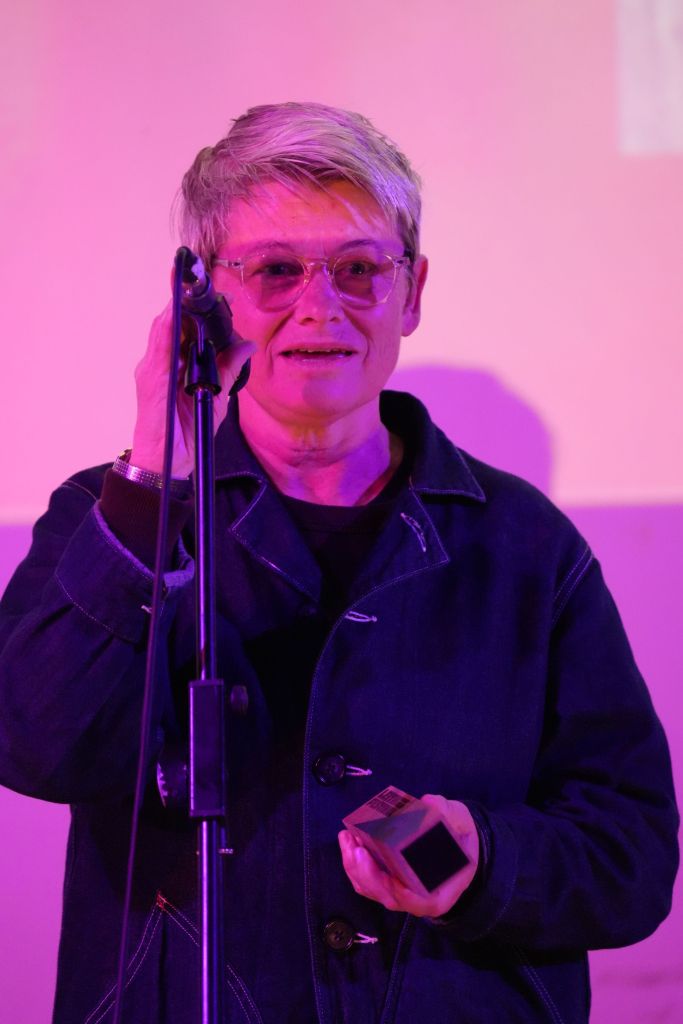
The awards ceremony provided a fitting finale, celebrating the breadth of talent on display throughout the festival. Winners included Audrey Grant’s Home, for Best Micro Short Film, David Arthur’s Swan Songs for Best Director, and Paul Ludden’s Being Billy for Best Writer. Ice Cream Headache by Benjamin K. Dyson took Best Short Film, while Sophie Van Bree’s Luna in Wonderland claimed Best Documentary Short Film.
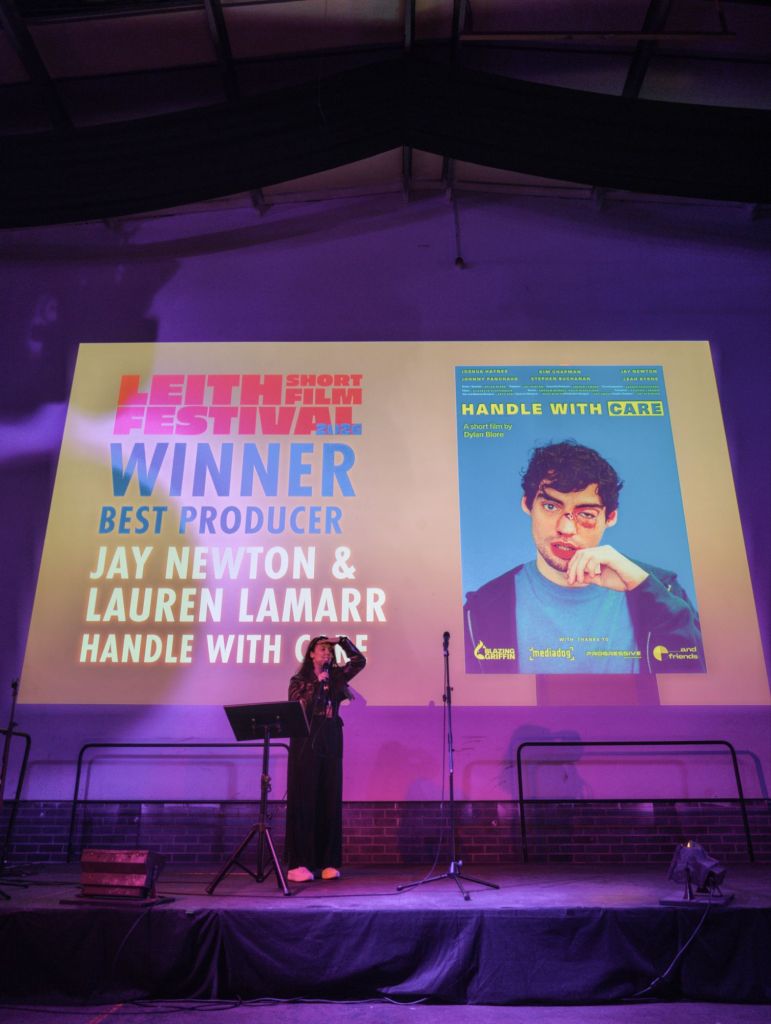
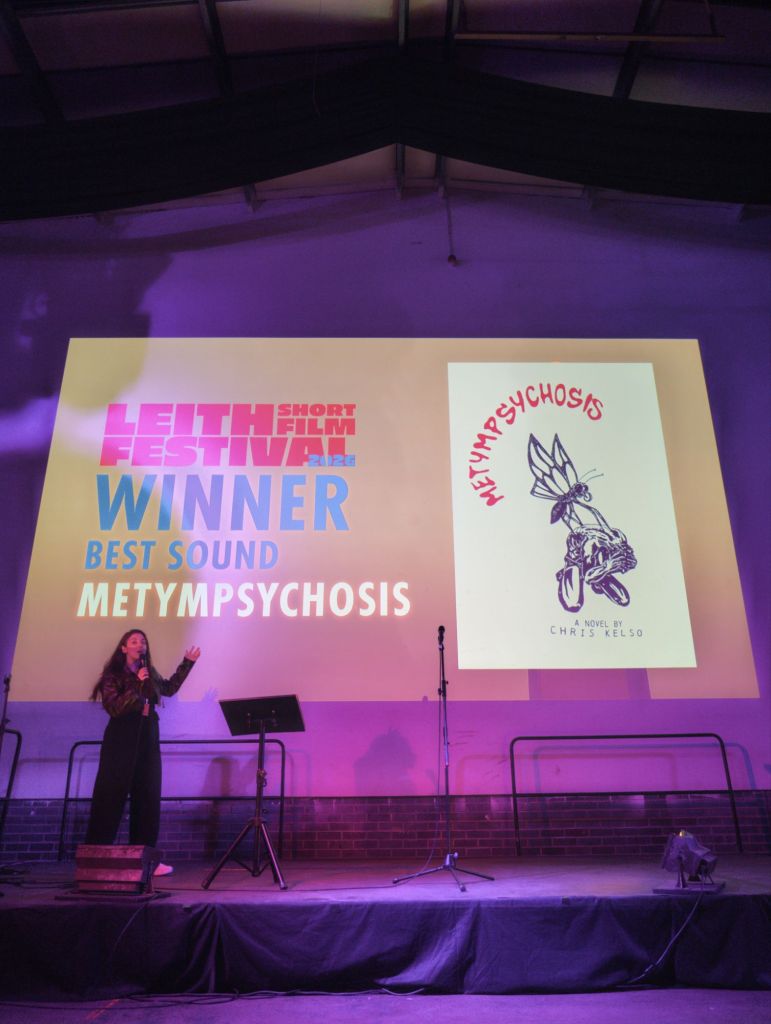
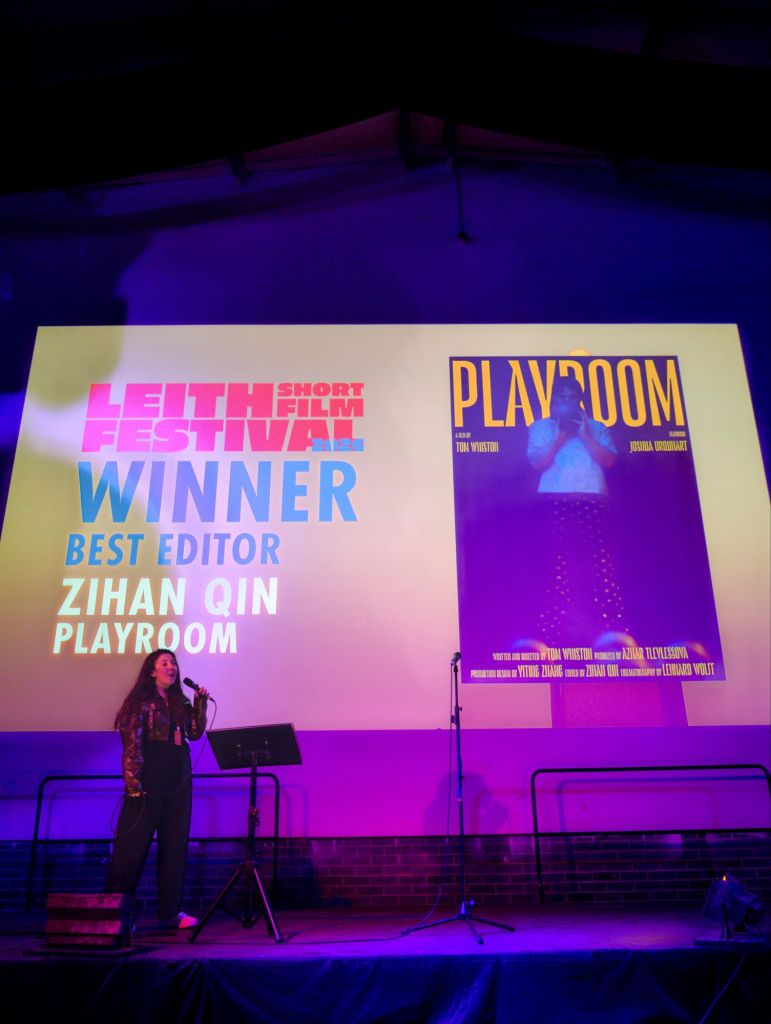
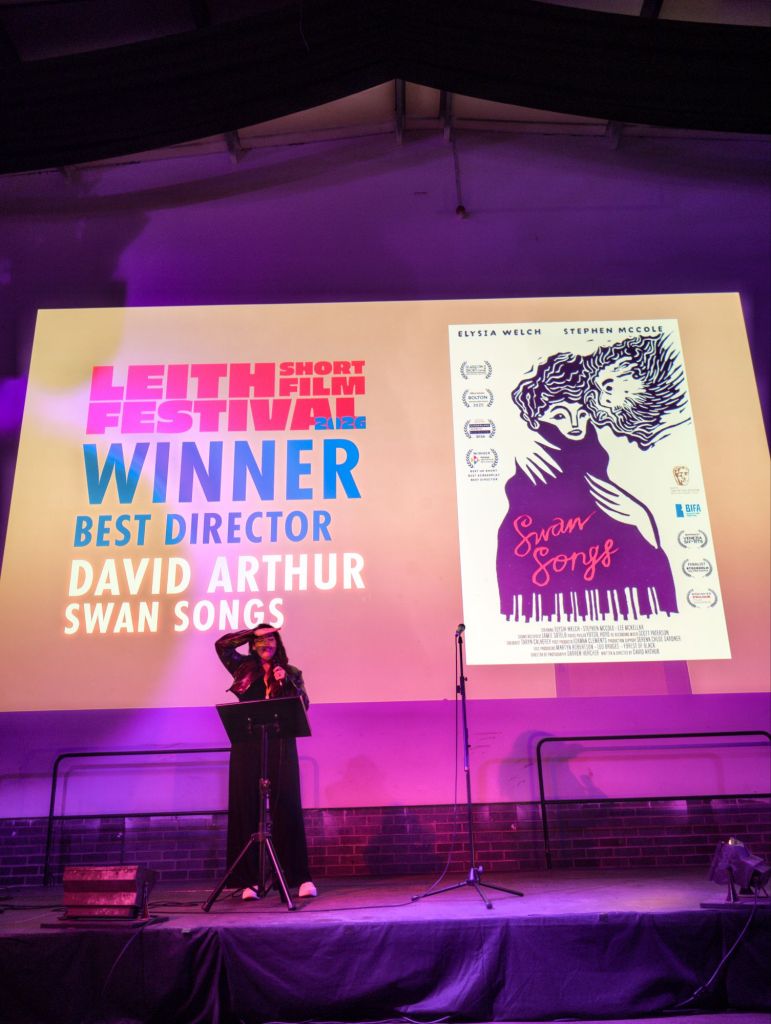
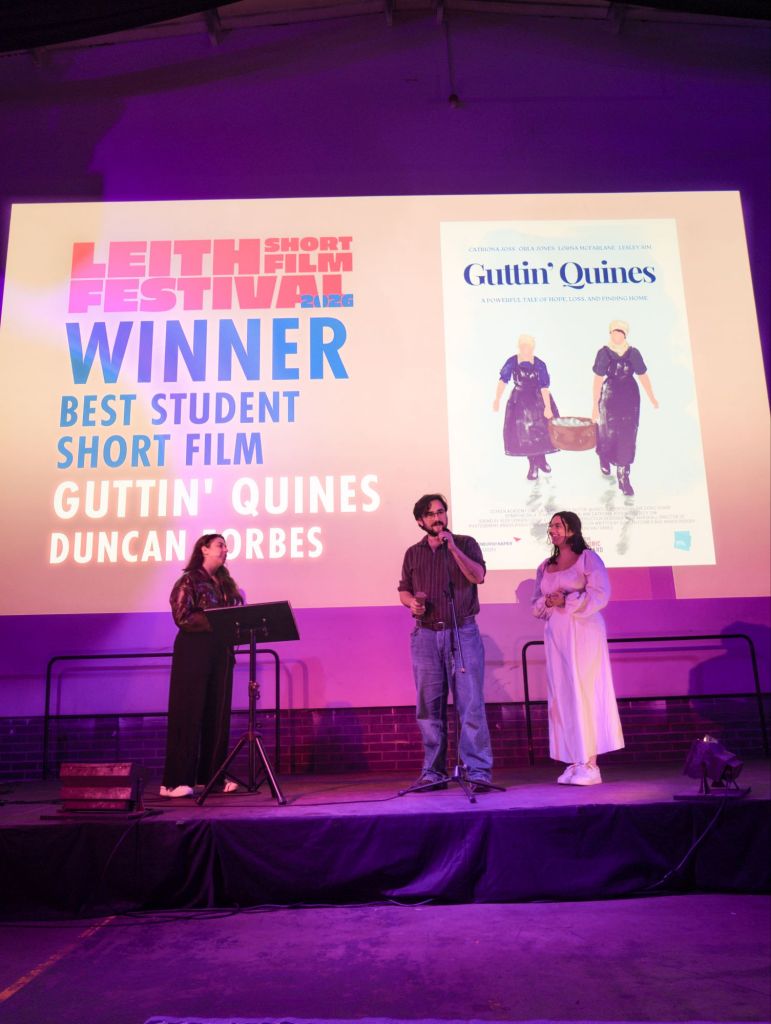
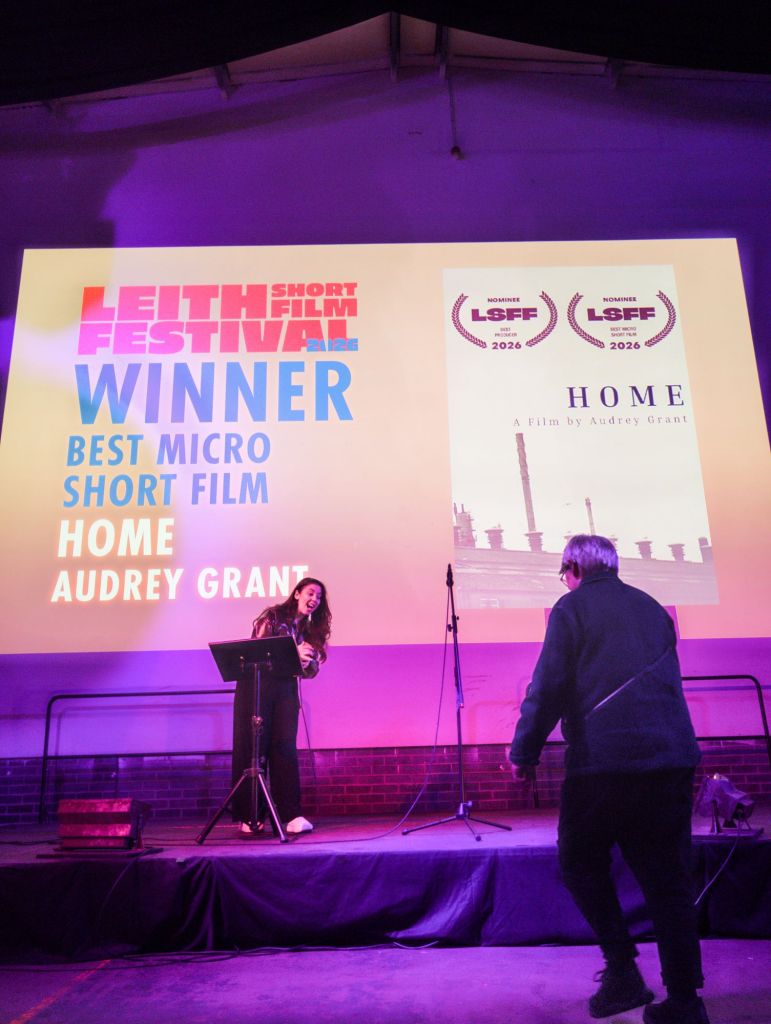
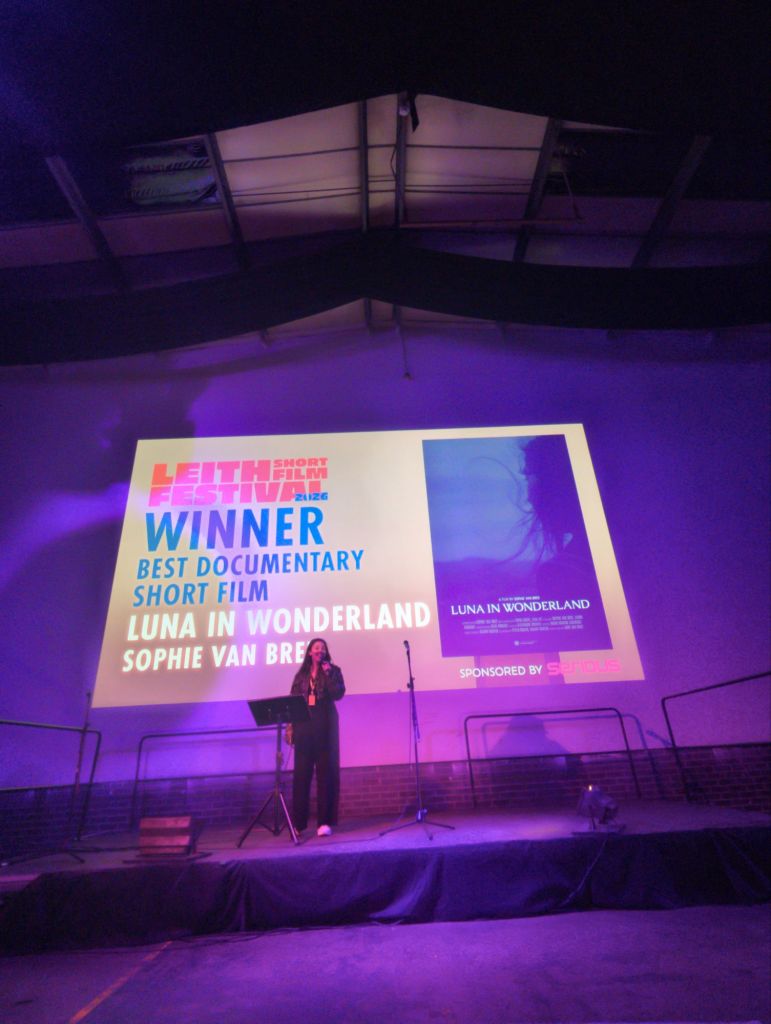
Elsewhere, Story Time won Best Experimental Short Film for Michael O’Neill and Glenn Patterson, Merlyn’s Beard earned Almudena Zuniga the Best Animated Short Film award, and Playroom brought Best Editor honours for Zihan Quin. Handle With Care secured the Best Producer award for Jay Newton and Lauren Lamarr, while Metympsychosis picked up Best Sound. Gutting Quines also received recognition as Best Student Film for Duncan Forbes. Although, not many award recipients were present to collect the awards, the winners went down extremely well with the crowd!
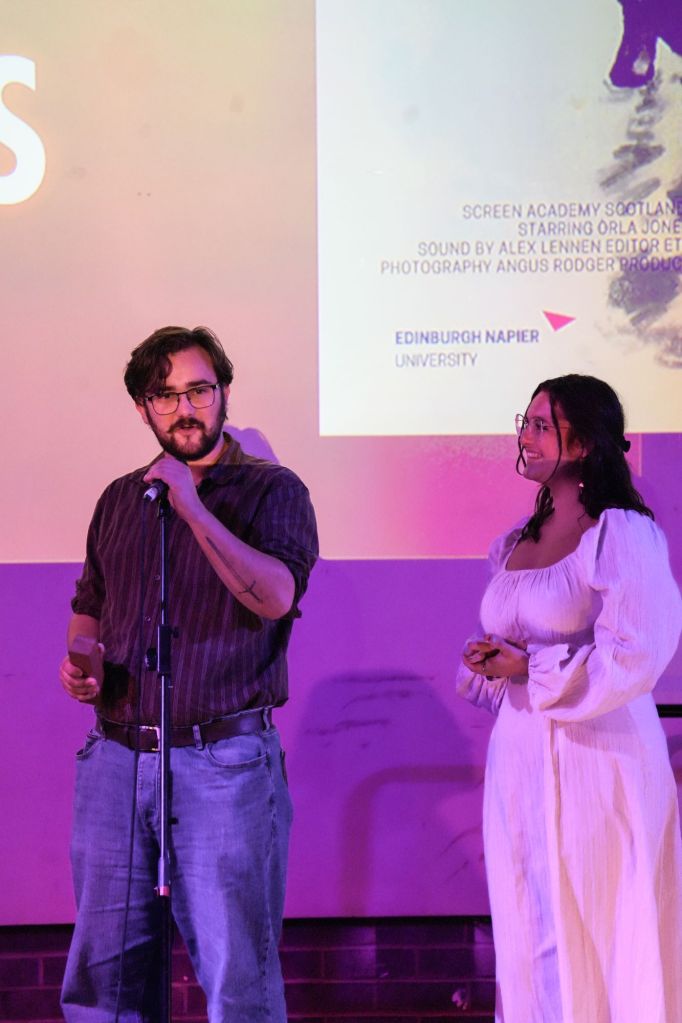
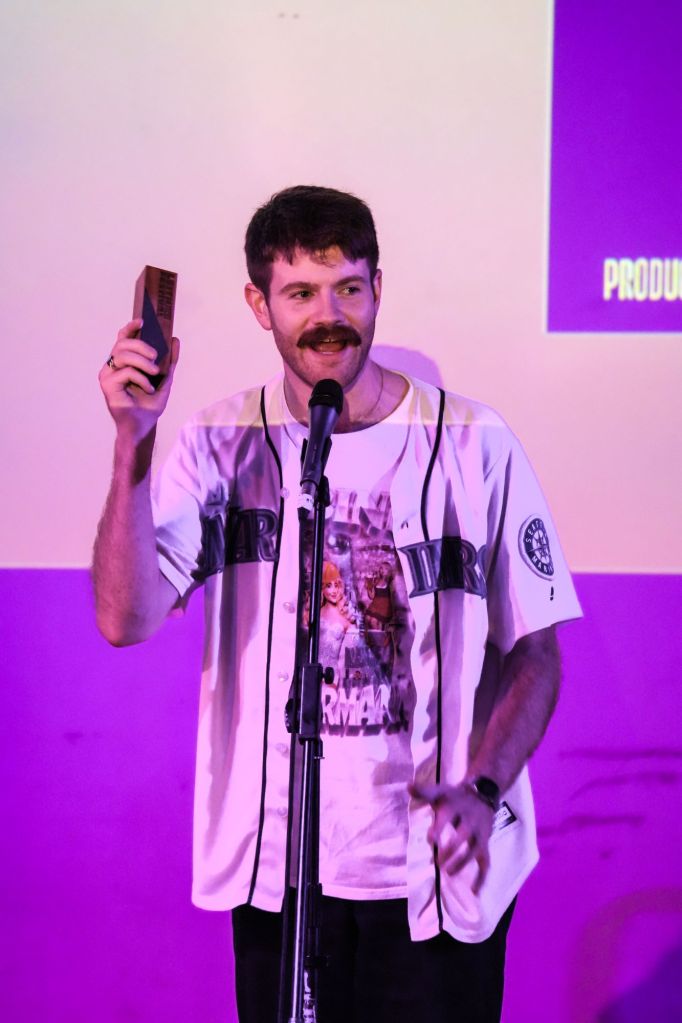
The creative atmosphere extended beyond the cinema screen. Between film blocks, live performances from Fraser McKain, HeThey and Rue Cooper provided welcome intervals and reinforced the festival’s broader celebration of the arts. As the awards concluded and conversations continued into the evening, Nick Dow supplied the soundtrack for the afterparty with visuals of his childhood on the massive screen behind him, ensuring that networking felt more like a celebration than an obligation…. We left not long into that, but we were feeling good that Qulture were part of the festivals first year!
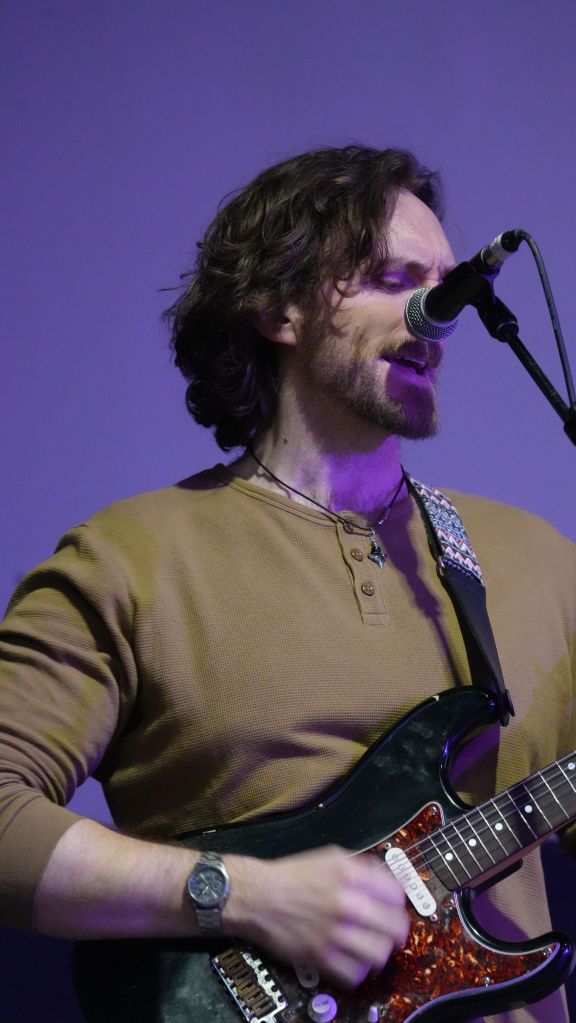
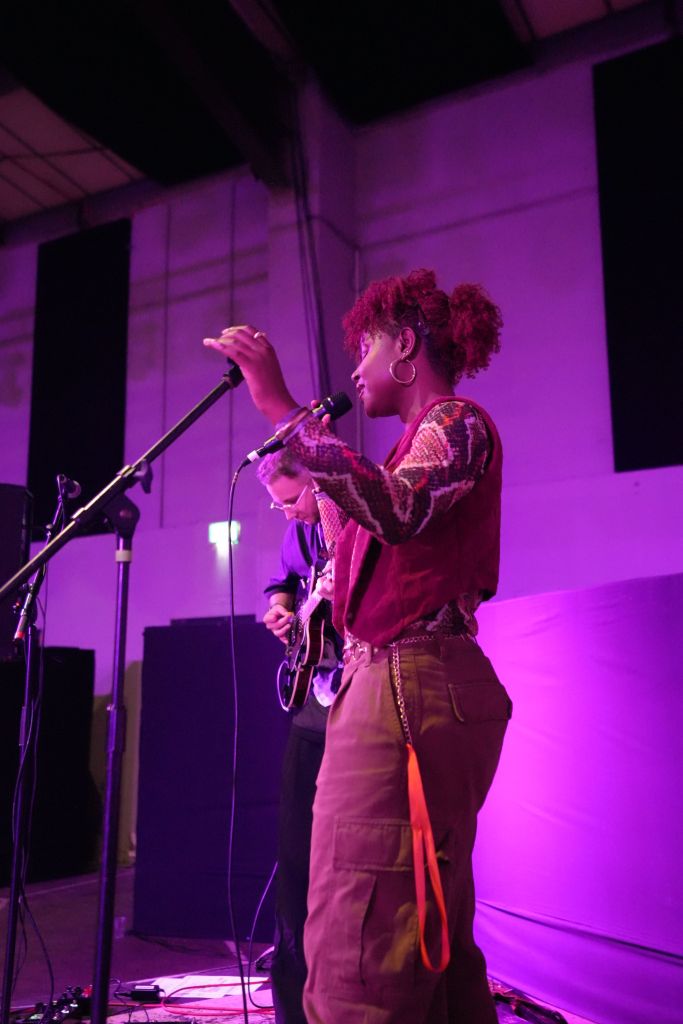
For a first year festival, there were inevitably moments where the scale of the ambition occasionally outpaced the polish. Yet those rough edges were far outweighed by the passion, energy and genuine sense of purpose on display. More importantly, attendees left with something far more valuable than a programme full of completed films – inspiration, new connections and a reminder of why storytelling matters in the first place! …..
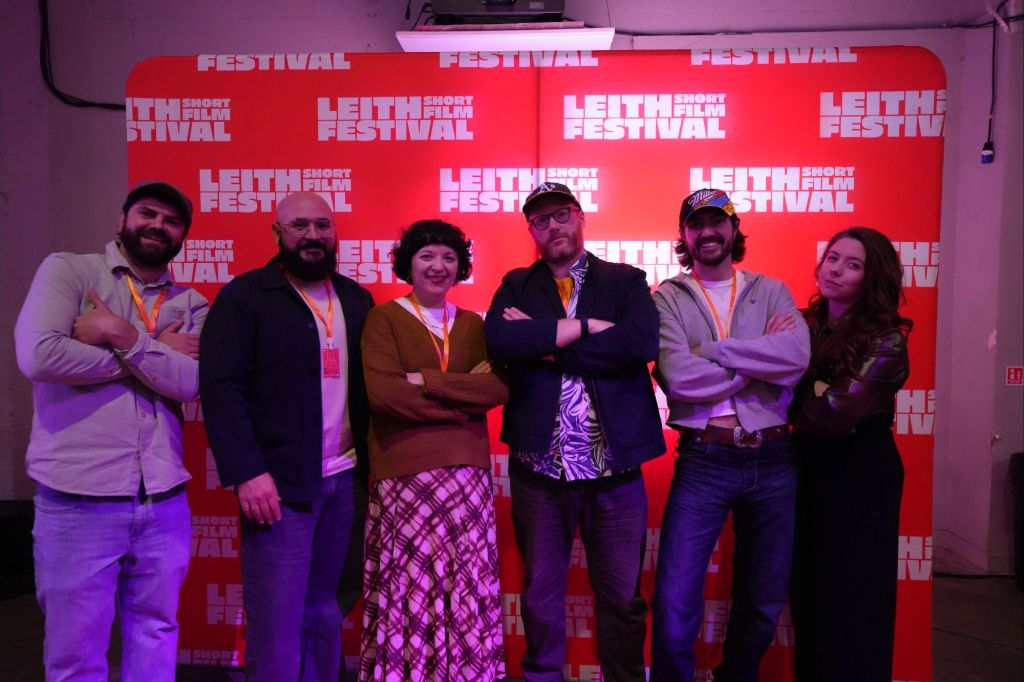
My takeaway – There were teething issues throughout the day, but nothing major… and seeing that this was the first year, these were probably expected – I do think that with a few changes, this could be become a much bigger and important event for short film in years to come.
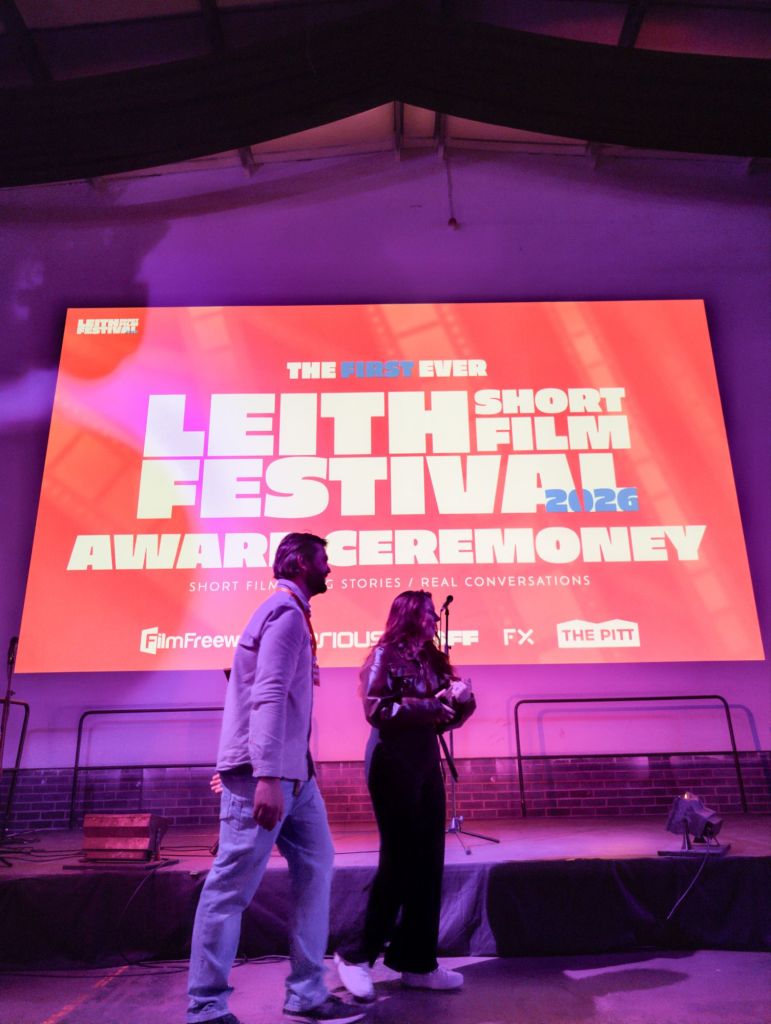
In a nutshell – The Leith Short Film Festival wasn’t just a celebration of short films. It was a celebration of the people who make them, the communities that support them and the audiences willing to discover something new.
Follow them on Instagram (@leithshortfilmfestival) for updates. We at Qulture Magazine are looking forward to seeing what next year brings!


Leave a Reply